Feeds:
Posts
Comments
Arkada tema olarak düşündüğüm müzik tarzı: Gats – Susumu Hirasawa (Berserk Anime)

Subtitle: Çocuklar her şartta çocukturWhatever the circumstances, kids remain kids

Blurb by ChatGPT: ‘Çocuklar ve büyükler’ (Kids and adults) weaves a touching series of vignettes—from a high-stakes Subbuteo (‘finger’ football) tournament ending in a surprising interruption to bittersweet scenes in a ramshackle park—centered around the character İshak (Isaac), a well-cultured, stoic and compassionate young adult who also has a cheeky side


Bölüm 1: Subbuteo turnuvası (Bölüm 0’dan ~iki yıl sonra)

Kanları Testosteron dolu bir grup genç, bir sınıf odasında Subbuteo adında bir parmak futbolu oyunu oynuyorlar:

(Turnuvanın grup aşamasında)

Mesut (Numan’ı yendikten sonra, Erol Büyükburç’tan esinlenerek): Beni göz ardı etmeyin! Ben buradayken benim ağırlığıma göre hareket edin! Gelmiş-geçmiş en büyük Subbuteo oyuncusuyum ben!

Arif (Furkan’a karşı): Ya Allah! Bismillah! Şuuuut… ve direk! Ah be!

Esat (Yavuz’a karşı): Bu sefer elimden kurtulamazsın! Al sana 3-0!

Mesut (Gerzek Şaban’dan esinlenerek): İhsan sen bir sus Allah rızası için! B*kunu çıkarıyorsun! (Gülüyorlar) Gülenler de sussun (Kahkahalar)

Muhsin: Golleri yiye yiye obez oldun be Osman’ım!

Esat: Hay ağzını kırayım! Yine elendik!

Mesut (Penaltı esnasında, Yedi Bela Hüsnü’den esinlenerek): Şimdi kalecini laciverde boyadım Muhsin!

Muhsin (İhsan’a karşı): Bu ne arkadaş? Gol atmaktan yoruldum yemin ederim!

Mesut (Hakem İshak’a, Yılmaz Vural’dan esinlenerek): Hoca bitir hoca! Kaç dakika kaldı?

(Furkan, Muhsin, Yusuf ve Mesut gruplarında ilk ikiye kalıp, Yarı finale çıkmaya hak kazanıyorlar)

Yarı final maçında Hakem İshak: Gençler biraz sakin! Anlıyorum; kazanmak istiyorsunuz fakat birbirinizi kırmaya değmez!

(Birkaç dakika sonra)

Muhsin: İşte bu be! Böyle yenerler işte! Yusufcum seni kenara alalım da finale hazırlanayım ben…

Yusuf: Muhsincim tebrikler ama cıvıklaşma istersen…

Gruplarda elendikten sonra kendi kendine anonsçu rolüne soyunan Yavuz: İlk defa para ödüllü, 4.ncü Subbuteo turnuvası finaline hoş geldiniz! Bir tarafta son iki yılın şampiyonu, Subbuteo efsanesi, rakiplerinin korkulu rüyası, karizmatik, sempatik, akıllı, ahlaklı, entelektüel, ‘Per Aspera Ad Astra’, ‘Memento Mori’ ve ‘Amor fati’ felsefelerini tüm kalbiyle benimsemiş, ve genç kızların hayali: Furkan! (Herkes alkışlıyor; oley çekiyor)

Furkan: “Ulan Yavuz! Ben bile gaza geldim!” (Herkes gülüyor)

Diğer tarafta da terden leş gibi kokan, dünyanın en gıcık suratına sahip, üçkağıtla ve balına kendini finalde bulan Muhsin! (Islık ve ‘yuh sesleri arasında)

Muhsin: “Hadi lan! Balınaymış!”

İshak: “Gençler! Hadi artık! Yerinize…”
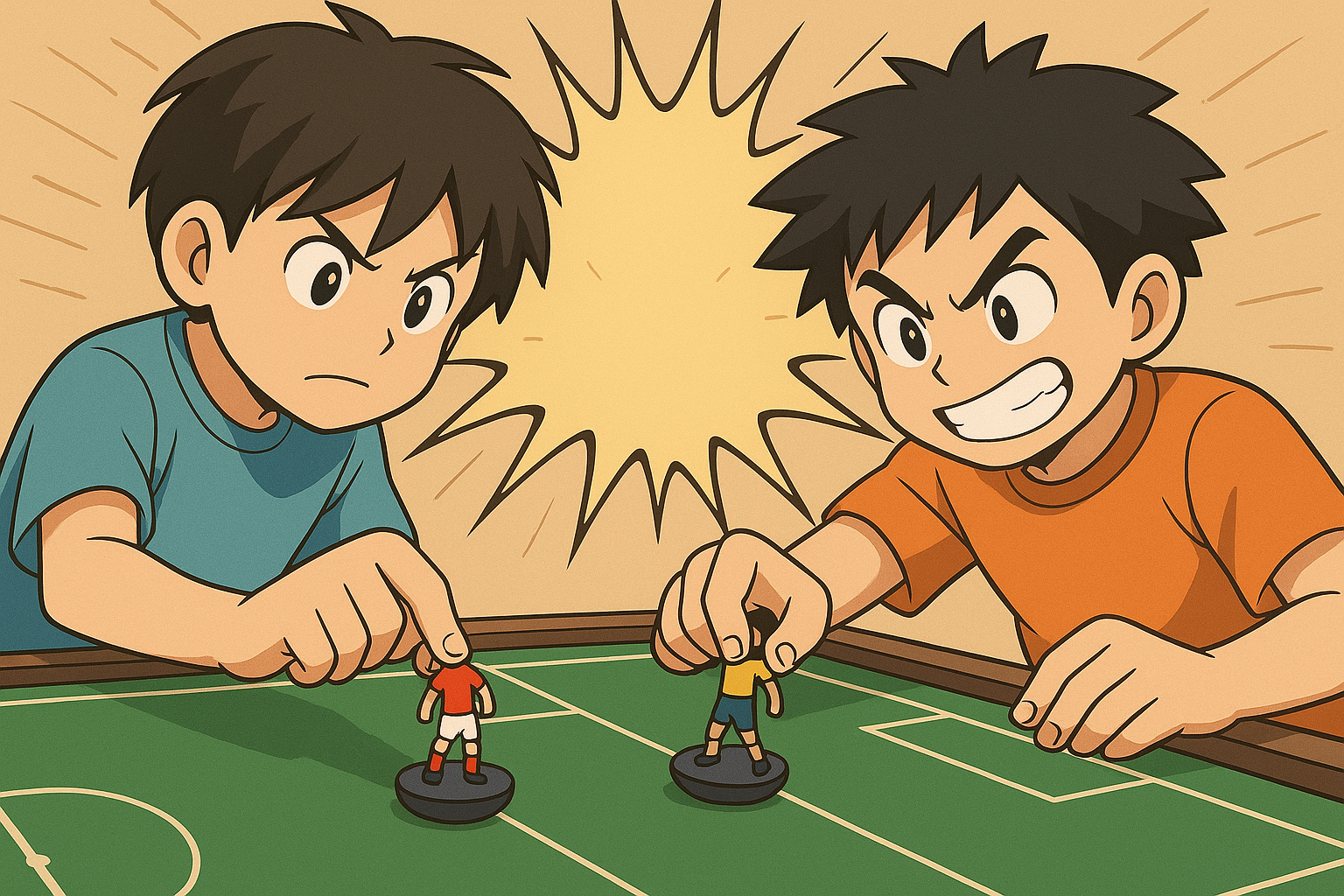
Furkan v Muhsin’in Subbuteo maçı. Kaynak: ChatGPT kullanarak oluşturulmuştur – fakat update edeceğim ve önerilere açığım

Çekişmeli geçen bu şampiyonluk maçının son dakikalarında skor berabereyken Muhsin bir penaltı kazanıyor ve hızlıca golü atıyor. Muhsin’i (biraz da haklı sebeplerden!) gıcık bulan diğerleri – yaşça büyük ve maçın hakemi olan – İshak’a Muhsin’in penaltıyı Furkan hazır olmadan kullandığını söyleyerek itiraz edince, penaltı tekrarlatılıyor. Muhsin çıldırıyor ve seyirciler arasında en çok itiraz eden Osman’a: “Sana attığım 5 golün acısı sürüyor anlaşılan. Kapa çeneni!” (“Oooo!” sesleri)

Osman: “Sen bu kafayla devam! Hadi Furkan sustur şunu!”

Penaltının tekrarında ise Furkan (farkında olmadan kalecisini çok az çizgisinden çıkararak) penaltıyı kurtarıyor. Hakem, Muhsin’in çıldırmışça itirazına “biraz sakin olman lazım artık. O kadar çıkmak normal” deyip penaltıyı bu sefer tekrarlatmıyor. (Herkes sevinç çığlığı atıyor)

Muhsin bir an kendini kaybediyor ve kendine has (ve odadaki herkese gıcık gelen) ses tonuyla:
Cennetle cehennem maç yapmış! Şeytan “Boşuna oynamayalım, biz kazanırız!” demiş. Melekler de, “Olur mu? En iyi futbolcular bizde…” demiş. Şeytan “Ama hakem de bizde!

Hep bir ağızdan: “Muhsin azdı yine! At şunu oyundan İshak abi!”

Herşeye rağmen İshak Muhsin’i tekrar uyarıyor, itirazları uzayınca da kırmızı kartla diskalifiye edip, şampiyonluğu Furkan’a veriyor. Muhsin de İshak’a “senin gibi hakemin!” diyor ve Furkan’ı itip, ortalığı velveleye veriyor.

Bu ufak itiş-kakış sırasında binaya bir bomba düşüyor…

Görünen tek şey toz bulutu… Duyulan tek ses kulak uğultusu… Alınan tek koku da yıkıntı kokusuydu…

Gençlerden biri ağlayarak: İshak abi! Duyuyor musun beni!?

Sesimi duyan var mı?

Kendimi iyi hissetmiyorum…

Sesimi duyan yok mu?


Bölüm 2: Parkta (Bölüm 1’den ~1.5 yıl sonra)

Yarısı yıkık-dökük, yarısı da yeni inşa edilmiş bir mahallenin parkında 10-15 çocuk oynuyor: Birinin yüzü, diğerinin ayağının yarısı yanmış… Bir kolu olmayan bir çocuğu da annesi oynatıyor… Bir yetim genç de kenardan onları izliyor hayran bir şekilde…

Etrafında fır dönen (Newton, Spithead ve Luna adında) üç kedisiyle İshak da elindeki aletler ve sağdan-soldan bulduğu malzemelerle parktaki araç ve oyuncakları tamir ediyor.

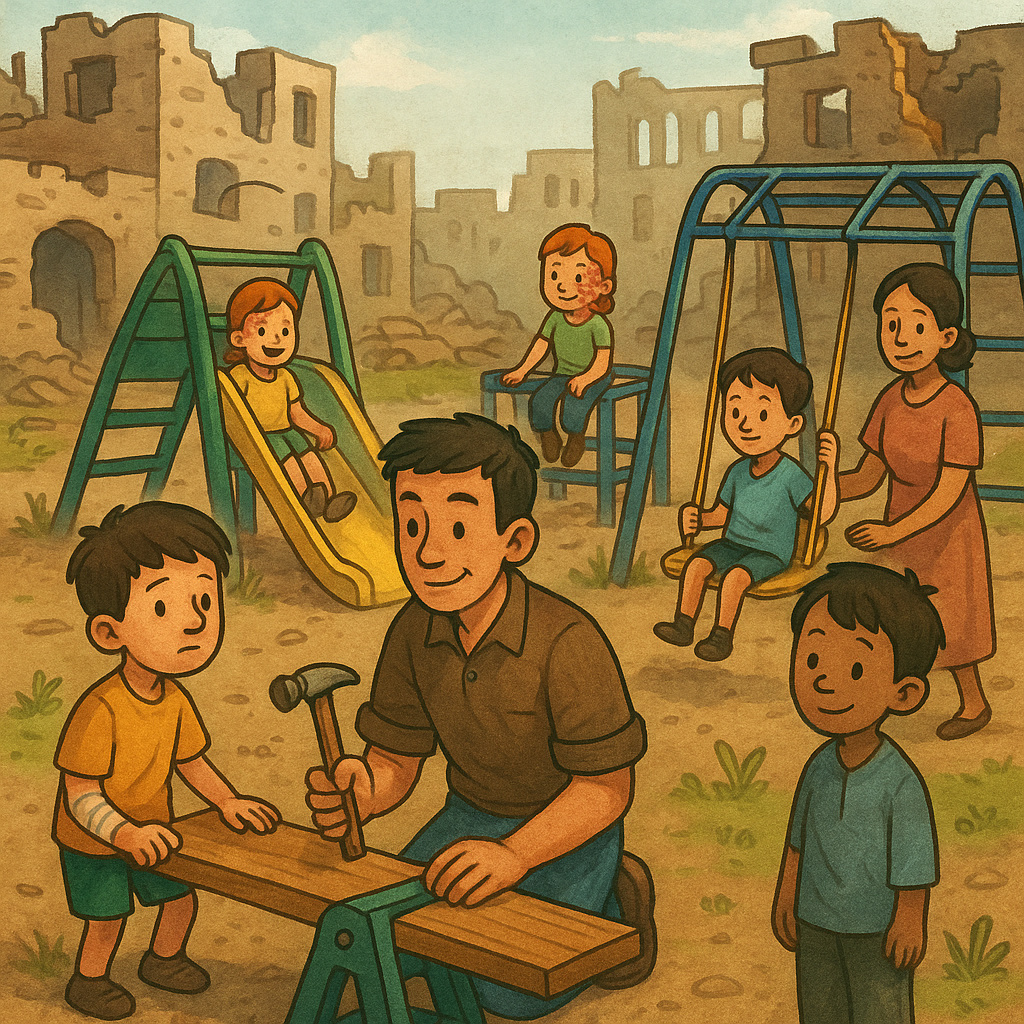
İshak ve parktaki çocuklar. Kaynak: ChatGPT kullanarak oluşturulmuştur – fakat update edeceğim ve önerilere açığım

Kenarda duran yetim gence İshak: “Gel hadi Muhsin; durma orada! Yardım et bana!” diyor tatlı bir şekilde. Muhsin, İshak’ın çırağı gibi oluyor zamanla… Hatta, beraber yeni kaydırak, tahterevalli, monkey bar/tırmanma demirleri ve salıncaklar yapacak kadar ustalaşıyorlar.

Zamanla, yan mahallelerde yaşayan zengin ailelerin çocukları da bu parkta oynamaya başlıyor ve park iyice kalabalıklaşıyor.

Yine kalabalık bir günde altı çocuk aynı anda salıncağa binince salıncak kırılıyor ve çocuklar yaralanıyor. Zengin mütevellilerden biri bunun sorumlusu olarak görülen İshak’a bir tokat atıyor.

Birkaç gün sonra adam özür diliyor ve çocuklarının bu parkı ve kendisini çok sevdiklerini söylüyor – ve İshak ve çırağına biraz harçlık veriyor. İshak başta kabul etmese de zorlayınca kabul ediyor. Parkı düzgünce yenilemesi için İshak’a malzeme ve yeni alet parası da veriyor.

Kısa sürede park güzelleştikçe çocuk sayısı daha da artıyor. Çocuklarının artık oyuncaklara binmek için sıra beklediğini gören adam çocuklarına özel muamele göstermediği için İshak’a kızıyor ve kendi çocukları oynarken diğer çocukların binmesini engellemesi için günlük para teklif ediyor.

İshak, annesinin ısrarlarıyla birkaç gün o adamın çocuklarına özel muamele göstermeyi denese de sonrasında vicdanı el vermiyor ve teklifi reddediyor.
Adam: “Ulan insana benzediniz sayemde! Şimdi gelmiş bana dayılanıyorsunuz!

İshak: “Teşekkür ederim abi ama burası herkesin hakkı – kimseyi kovamam. Verdiğiniz giysileri de geri vereyim”

Adam: “İstemez; ne halt yerseniz yeyin – biz gidiyoruz!

Adam da birkaç gün içinde evinin bahçesine kendi parkını yaptırıyor ve çocuklarının ilişkisini kesiyor.


Bölüm 3: Yeniden başlıyoruz (Bölüm 2’den birkaç ay sonra)

İshak son cıvatayı da çevirdikten sonra, nefeslenip:

“Muhsin bak bugün ne buldum!”
“Aaa Subbuteo! Ronaldo’yu bulmuşsun abi! Furkan hep onu seçerdi forvette!”

“Al senin olsun…”
“Sağ ol abi!” (Gözleri dolar)

“Bir de eski evimizin enkazında bak ne buldum! Hem de kutularca! Rahmetli babam aldı sanırım benden habersiz…” – Elinde birkaç yıl önce yazdığı ve bir süre ‘Best Seller’ olan komik anı kitapları… Büyük bir kısmı yırtık ve yanık halde…

(Bir sessizlik olur… İkisinin de gözleri dolar)

(Şakacı ses tonuyla) Muhsincim, şu ‘dömitas’ kaşığını uzat da kahvemize biraz şeker ekleyelim.

Anlamadım abi. Çay kaşığı mı istedin?

Mon Dieu! C’est terriblé! Anlamazsın tabi cahıl. Çay kaşığı şu biraz daha büyük olanlar; ‘Dömitas’ en küçük olanlar. Kahve kaşığı olarak kullanılır medeni dünyada…

İshak’ın bu şakalaşmalardan sonra keyfi yerine gelir ve mutlu bir şekilde çocuklara dönerek: ‘Hadi bakalım! Dönme dolabı ilk kim denemek ister?’ der ve yeni yaptığı dönme dolaba oturan dört çocuğu çevirmesi için Muhsin’e sinyal verir…

İshak’ın yeni dönme dolabını deneyen çocuklar ve Muhsin. Kaynak: ChatGPT kullanarak oluşturulmuştur – fakat update edeceğim ve önerilere açığım

(Dönme dolap herkesin ilgisini çeker ve uzun bir sıra oluşur)

Muhsin (kısık sesle): Abi biliyor musun? O adam sana tokat attığında çok ağrıma gitmişti ve o günün gecesi onu öldürme planları yapmıştım. Sonra ruh haletim değişti ve çaresizliğimizi düşünüp, kendimi öldürmeyi düşündüm.

Fakat – Allah’a şükürler olsun ki – vazgeçtim. Tek sebebim de seni yalnız bırakmamak ve üzmemekti. İyi ki varsın!

İshak: Sen de iyi ki varsın! Allah’ın izniyle her zaman yanında olacağım!

(Muhsin ağlar. İshak’ın da gözleri dolar. Sarılırlar)

İshak: Benim sinirlendiğim veya üzüldüğüm zaman açıp-baktığım bir defterim var – içinde bana huzur veren Ayet, Hadis ve güzel sözlerin olduğu… Bugün de baktım ve Efendimizin (SAV) vefatının hemen ardından yaşanan hadiseleri not ettiğim sayfa gözüme takıldı. Hz. Ömer aldığı vefat haberinin ardından yaşadığı büyük üzüntü ile etrafında tartışan insanlara “Muhammed öldü diyenin kafasını keserim” diyor. Orada bulunan Hz. Ebubekir de arkadaşına çıkışmak yerine her zamanki gibi aklı-selim davranıyor ve önemli birşeyi hatırlatıyor: “Her kim Muhammed’e (SAV) tapıyorsa, bilsin ki, O ölmüştür. Her kim de Allah’a ibadet ve kulluk ediyorsa bilsin ki, Allah Hayy’dır, ölümsüzdür”.

Allah bize her zaman destek olacak ve doğruyu hatırlatacak insanlarla tanıştırsın inşallah!

Muhsin: Amin abi! Allah’a ne kadar şükretsem azdır!

İshak: Çocukları iyi eğlendirdin bugün! Allah razı olsun!

Muhsin: Sence ileride bir tema parkımız da olur mu abi?

İshak: Ne diyorduk hep?

Beraber: Per Aspera Ad Astra!

İshak, göğe bakarak: Sağlığımız yerinde, sevdiklerimiz yanımızda olduktan sonra neden olmasın? İnşallah olur!


Bölüm 0: İshak hakkında (Bölüm 1’den ~iki yıl önce)

İshak elitlerin oturduğu bir masada buluyor kendini. Kocaman masada belki 30 kişi var ve hepsi birbirinden şık. Önünde de en az on çeşit çatal, kaşık ve bıçak var. Garsonlar ellerinde yemeklerle belirince, karşıdan bir hanımefendi Fransızca “Demitasse si vous plait (Dömitas lütfen) diyor. Liseden kalma Fransızcasıyla kendisinden “Dömitas” diye birşey istediğini anlıyor fakat ne olduğunu bilmediğinden kadının gösterdiğini düşündüğü çatalı nezaketen uzatıyor. Kadın anında “Mon dieu! C’est terriblé(Aman Tanrım! Ne korkunç!) diyor ve tüm oda onun cahilliğine hunharca gülüyorlar.

Babasının bağırışıyla bir anda uyanıveriyor… Rüyaymış meğer!

İshak gece Güneydoğu Asya gezisinden çok yorgun geldiği için yeyip-içtiklerini topla(ya)mamıştı; sonra da kulaklığında Barış Manço’dan Dönence loopa girmiş şekilde salonda sızmıştı…

Hoş geldin beyefendi! Dün Handan Hoca kapımıza dayandı ve ‘Sizin oğlan bizim kıza kötü bir laf etmiş. Sizin gibi anne-babanın oğluna hiç yakışmıyor. Lütfen uyarın!’ dedi! Yerin dibine girdik senin yüzünden!

“Kötü birşey demedim; alındı gereksiz şekilde! ‘İyi görünmüyorsun. Hasta mısın?’ dedim sadece! Asıl onların bana özür dilemesi gerekiyor. Betül annesine gidip “Anne! İshak bana ‘Hasta mısın?’ dedi” deyince, Handan Hoca ‘Kızım o kendi hasta!’ dedi. Hoca beni dinlemeden kendi kızını kayırdı.

“Neyse ne! Hocandan ve Betül’den özür dile yarın!”

“Bu arada benim Patek Philippe ve Rolex’ler yerinde yok. Bir yere mi koydunuz?”

Anne ve babası her yere baktı ama bulamadılar. İshak o an anladı: havaalanından beraber geldiği taksici ona “İshak Kervancı; ünlü iş adamı Bayram Kervancı’nın oğlu musun yoksa?” diye sormuştu… Gelirken taksici uykusuzluktan devamlı şeridinden çıktığı için İshak ona kenara çekmesini söylemiş; sonra da yol üzeri bir istasyonda kahve ısmarlamıştı. Eve varınca da davet edip, atıştırmalık birşeyler hazırlamıştı. O ara taksici Şeytan’a uyup, saatleri almış olmalıydı. O karanlıkta taksi şirketine vs. de dikkat etmemişti.

Babası Bayram Bey: Ne yaptın? Ne yapn! Allah senin belanı vermesin! Gözüm görmesin seni!

Bir sessizlikten sonra: Harçlığını da kestim bu itin! Gitsin nereden kazanıyorsa kazansın!

(Bayram Bey ‘it’ lafı ağzından çıkar çıkmaz oğluna aşırı tepki verdiğini düşündü fakat o an gururuna yediremedi ve yavaşca odasına çekildi)

Annesi Ayla Hanım: Ah oğlum. Tanımadığın insanları neden eve alıyorsun?

İshak iyi kalpli oldugu kadar çalışkan ve yetenekli de bir gençti. Babası ve annesine hiç laf etmedi ve direkt mahallede iş bulabileceğini düşündüğü birkaç dükkana uğradı. Daha önce hiçbir işte çalışmamıştı…

Mahallenin kebap dükkanına geldiğinde dağıtılacak broşürlerin olduğunu ve birini aradıkları söylüyorlar. İshak da hemen kabul ediyor.

‘Şu iki kutu broşürle başla bakalım.’

Kaldıkları mahallede birçok ev bahçeli olduğu için broşürleri at at bitmiyordu. Broşür atmaya gittiği evlerin birinde onlarca genç kahkaha atıyor, eğleniyordu. Bir parti havası vardı. Birden İshak’ı görünce, herkes ona baktı. Elinde broşürleri görünce de gülmeye başladılar. O da ‘bu hıyarlara inat posta kutusuna birkaç tane atayım’ derken, kutuya kısa süreliğine eli sıkışıyor ve çıkarmaya çalışırken duyduğu kahkahalar hala kulağında çınlıyor.

Bir defasında da kadının biri İshak tam kapıdan içeri broşürü atacakken kapıyı açıp, broşürü elinden alıyor ve gözünün içine bakarak çöpe basıyor.

İshak bu ve (köpeklerin kovalaması gibi) benzer gurur kırıcı olaylardan sonra karar veriyor: bu işi bitirdikten sonra bir daha broşür dağıtmayacaktı. Bu paraya bu meşakkat değmezdi…

Ayrıca parasını almaya gittiğinde de dükkan sahibi müşterilerin birinin şikayet ettiğini söyleyip, yarı para vermişti.

O paranın bir kısmıyla bakkaldan bir sandviç aldı. Bakkalcı, yorgun görünen İshak’a ‘yanına bir içecek al benden’ deyince morali biraz yerine gelmişti. O sırada onu gören yakın arkadaşı Yaşar Akif, hal-hatırını sorduktan sonra ‘o bakkal parasızlıktan yakında kapanacak; ondan bedava şeyler veriyor’ deyince, İshak adama yardımcı olmak için dükkana bir daha giriyor ve cebindeki tüm parayı gizlice tezgaha koyarken bakkalcı onu yakalıyor.

“Ulan hırsız; napıyorsun burada?! Bırak aldığın paraları!”

“Abi yanlış anladın! Bu benim param – sana verecektim!”

“Yürü; karakolda anlatırsın derdini!”

Babasını arayan polis, durumu anlatıyor ve bakkalcının bir ücret karşılığı şikayetini geri çekeceğini söylüyorlar. Babası da işler büyümesin diye bakkalcıyla anlaşıyor. Yaşar Akif polislere ve Bayram Bey’e durumu anlatmaya çalışsa da İshak mahallede rezil oluyor. Babasının gözünden bir kez daha düşüyor.

Yaşar Akif İshak’ın bu haline üzülüyor ve bir çay ısmarlıyor. Laf arasında Fikri adında bir arkadaşının komik bir podcast için yanına bir co-host aradığını söylüyor. Normalde de kıvrak zekalı, cool ve komik olan İshak Fikri’ye ısınıyor ve beraber ‘Fiko ve Ayzek Şov’ adı altında birkaç bölüm çekiyorlar:

İshak: Bir defasında beraber kaldığımız arkadaşlardan biri yanıma geldi ve “Print etmek istediğim 1-2 sayfalık bir doküman var; okuldan bir hallediver be!” dedi

Ben de “Olur; emaille yolla; akşam getiririm” dedim

Bana emaille şey yazmış: “Dostum sana 3-5 sayfalık bir doküman yollarım demiştim. Ekteki 6-7 sayfalık dosyayı print edip, getirebilirsen sevinirim. Sağ ol!”

Ekteki dosya: 9 sayfa! (gülüyorlar!) Nezaketen print ettik ne yapalım? Bir de – yüksek ihtimal benim yüzümden – İnsan Kaynakları’ndan email geldi herkese print işlerini azaltalım diye (gülüyorlar)

(Fikri gülerek) Başına ne geldiyse iyiliğinden gelmiş be İshak!

Yok; öyle demeyelim! Bunlar ufak şeyler! O an yaşarken komik olmuyor belki ama geri dönüp, anlatınca gülümsetiyor.

Komik hikaye demişken bunu da anlatayım: Belki hatırlarsınız… Bundan bir-iki yıl önce Yozgat‘tan bir vaşak videosu paylaşılmıştı haberlerde. Bana göre dünyanın en güzel hayvanı… Belki canlı görürüm diye hemen yola koyuldum. Gitmişken oradaki Roma Hamamı ve Kerkenes Harabelerini de gezmiş olurum dedim. Normal şartlarda uçakla giderim tabi – bilmeyenler varsa, şükür, (gülerek) peder sağ olsun, maddi durumum iyi arkadaşlar – fakat o haftaki hava şartlarından dolayı İstanbul’dan Yozgat’a otobüsle gitmek zorunda kaldım. İstanbul’da yanıma genç bir asker oturdu. Otobüste de koltuğun önünde dokunmatik televizyon vardı. Baktım asker arkadaş kullanmasını beceremiyor, yardımcı oldum kendisine. Yardım edince onlarca kez teşekkür etti ve hemen kaynaştı benimle. Sonra da ‘Müzik’ kısmına girdi ve Volkan Konak’tan “Yarim Yarim” şarkısını açtı. Bir oldu, iki oldu, on oldu; şarkı aynı. Değiştirmiyor! Yolu yarıladıkça insanlar inmeye ve otobüs boşalmaya başladı. Fakat bizimki ne iniyor, ne de boşalan yerlere geçiyor. Meğer o da Yozgat’a gidiyormuş. Allah’in işi! Kaderde on saat boyunca sıkış pıkış ‘Yarim Yarim’ dinlemek varmış! (Gülüyorlar)

İshak başından geçen bu ve benzeri trajikomik olayları anlattığı bu podcastle mahallede ve geniş çevresinde tekrar gözde olmaya başlayınca, haberler babasının da kulağına gidiyor ve İshak’la araları düzeliyor. Ayrıca İshak bu komik anılarını kısa bir kıtap olarak bastırıyor ve şehirde ‘En çok satanlar’ listesinde kendisine yer buluyor.

İshak babasıyla arası iyiyken, bunu fırsata çeviriyor ve Fikri’yle uzun zamandır getirmek istedikleri ünlü bir komedyenin konuk olarak katılması için babasından menajeriyle anlaşmasını rica ediyor.

Babası oğlunu yine kıramayıp, yüksek bir meblaya komedyeni konuk olarak getirttiyor:

Komedyen: Ben işletme mezunuyum; ailede üniversite mezunu tek bendim o zamanlar. Yoğunluktan, mezuniyet töreni için kep ve cübbeleri alsın diye benim kardeşi yolladık. Bir de ne görelim, hıyar giymiş de gelmiş. “Abi çok güzelmiş bu” diyor! Zor ikna ettik çıkarsın diye! (Gülüyorlar)

O gün birkaç yabancı arkadaşın ailesi de mezuniyet için oradaydı. Babam biriyle uzun uzun ve devamlı gülerek “Yes, yes” dediğini gördüm. Yanlarına gelip, ben de birkaç kelime ettikten sonra babam bana dönüp, “sabahtan beri ne diyor lan bu lavuk?” demez mi? Adamın da biraz Türkçesi varmış; rezil olduk! (Gülüyorlar)

Ama ailedeki tek mezun olmak bayağı havalı birşey. Bazen kendi kendime – ayağım yere bassın, fazla uçmayayım diye – “Mağrur olma padişahım senden büyük Allah var!” diyordum (Gülüyorlar)

Bu arada beni götürdüğünüz kebapçı bayağı iyiydi. İlginçtir; bir ustanın kebabının tadıyla eğitim seviyesi ters orantılı oluyor. Bu abi de iki kelime yanyana getiremiyordu ama kebabı efsaneydi!

İshak: Her zaman geçerli değil gibi abi. Bizim Arif okuma-yazma bilmiyor ama kebabı leş gibi! (Gülüyorlar) Arif demişken komik bir anımı anlatayım: Geçen Arif’le yolda karşılaştım: “Abi, ben karar verdim; Elif’le evlencem” diyor. Ben de “Hadi hayırlı olsun! Senin istemen yeterli tabi – sen karar verdiysen bitmiştir bu iş!” dedim. (Gülüyorlar) Ama laf dokundurduğumu anlamadı – “Sağ ol abi” diyor. (Gülüşmeler devam ediyor)
Neyse beraber yürüyoruz merkeze doğru… Bir anda şaşırtıcı derecede okul, iş-güçle ilgili akıllı akıllı konuşmaya başladı. Laf, lafı açtı ve konu ekonomiye geldi. “Bizim kebap sektörü bayağı sıkıntıda… Kar oranlarımız rekabet, ekonomik durgunluk, işçi maaşları ve vergilerdeki artışlardan dolayı bayağı düştü.
Ben ağzım açık dinliyorum bu arada ‘Bu bizim Arif mi?’ diye!
Ama tek sebep bunlar da değil: Örneğin bak burada da bir sürü mobilya dükkanı kapandı son dönemde. Şu aşağıda açılan Subway mahvetti hepsini!”
Kendimi gülmekten zor alıkoydum! Allah’tan, Arif simülasyondaki ufak bir glitch’den sonra fabrika ayarlarına döndü yoksa kendime gelemeyecektim o gün.
‘Neyse boşver mobilyacıları! İşler kesatsa biraz daha broşür dağıttırın bu dönem’ deyip, geçiştirdim… (Gülüyorlar)

Podcast’te herşey iyi giderken, komedyen başından geçen bir hikaye daha anlatıyor. Çocukken köye sık gittiklerini ve bazen tarlalarda tuvaletlerini yapmak zorunda kaldıklarını söylüyor. Bir gün yine tuvaletini yaparken eşeğin biri buna saldırıyor. İshak burada sesli gülünce:

Komik olan ne lan? Travmamı anlatıyorum, sen gülüyorsun! Topallıyorum o günden beri! Hala bir eşek gördüğümde kaçacak delik arıyorum!’

‘Abi yanlış anladın beni; ben komiklik olsun diye anlatıyorsun sandım! Özür dilerim!’

Komedyen ‘Hadi lan!’ deyip, stüdyoyu terk ediyor.

Bunu duyan babası İshak’a yine kızıyor ve hemen menajerini arıyor. Fakat menajer komedyenin çok kızdığını, ödedikleri paranın iade edilmeyeceğini ve bölümü kesinlikle yayınlayamayacaklarını iletiyor kendisine.

Babasının yüzbinlerce lira kaybetmesi İshak’a çok ağır geliyor ve podcast işine ara vermeye karar veriyor ve bir haftasonu okulunda öğretmenlik yapmaya başlıyor.

Bir gün teneffüste çocukların yanında dururken, öğrencilerden birinin oyuncağıyla çikolata-şeker satan otomata vurduğunu görüyor – ve yanına gidip, sorunun ne olduğunu soruyor.

Kız da elindeki paraları göstererek: “Bu kadarım var, fakat bu makine bana çikolata vermiyor”.

“Ama oyuncağına zarar veriyorsun. Değerli birşeye benziyor… Kolu çıkmış; ver düzelteyim..”

(Oyuncağı tamir ettikten sonra) “Elindeki paraları bana ver; alayım ben” – İshak cebindekilerden de biraz ekleyip, çikolatayı alıyor ve kıza uzatıyor. Çocuğa yaptığı iyilikten sonra mutlu mutlu yürümeye başlıyor ki, kız bir anda bağırıyor: “Eee; benim param nereye gitti? Param! Paramı ver!

İshak şaşkınlıktan ne yapacağını şaşırıyor ve kıza ‘La havle… Sus; bağırma!’ diyor fakat diğer öğretmenler olay yerine bakıp, yaklaşmaya başlayınca olay çıkmasın diye elini cebine atıyor ve eline gelen tüm parayı kıza veriyor.

Sinirlenince veya morali bozulduğunda hep yaptığı gibi cebinden ‘Per Aspera Ad Astra’, ‘Amor Fati’ gibi Latince sözler ve ‘La havle vela kuvvete illa billahil aliyyil azim’, ‘La ilahe illa ente sübhaneke inni küntü minezzalimin’ gibi Arapça duaların yazdığı kağıdı çıkarıp, bir göz atıyor…

Teneffüs bitince de orta okul yaşındaki çocuklara Subbuteo turnuvası düzenleyeceği için sınıflara doğru yürümeye başlıyor…

Ilgili şarkılar
Rolling Stones – Gimme Shelter
Barış Manço – Dönence

Below is a short book that I wrote for my son, Isaac. Sharing it here for you to enjoy but also as encouragement/inspiration to write your own books for your children and/or loved ones – as I have limited writing skills and virtually no drawing skills and used AI-driven approaches to illustrate the book.

Feel free to download, print* and/or disseminate. I also plan to write it in Turkish if and when I have the time.

Important Note: Please do not edit my son’s images in any way or use it in another medium

I hope to update the book with other conversations if and when I have the time.


Footnotes:

*if you decide to print (this or your own document), I would recommend printing on A4 paper using the ‘Booklet’ option and checking the ‘Auto-rotate pages within each sheet’ and ‘Print on both sides’ boxes. Any questions, please let me know.

Backstory: I joined the Human Genetics team of Boehringer Ingelheim Pharma (in South Germany) ~6 months ago and as part of our ‘team responsibilities’, it was our turn to give a short presentation (technically called a ‘Safety Minute’) on a health & safety issue of our choice (e.g. how to ride a bike safely, safety in the lab). I rolled the lowest value within our team and therefore had to choose the topic and give the presentation. I didn’t feel like I could lecture the attendees/my colleagues on German laws or working in a lab filled with chemicals – as I recently moved to Germany and spend my entire working day in front of my home PC. So I thought it would hopefully be interesting for them to hear what are the small things (therefore must-do things like cleaning teeth properly incl. flossing, getting vaccinated, doing sports or having a first-aid kit nearby* is not mentioned here) I do at home (office) for my physical and mental wellbeing and then they could take what they wanted from the presentation but also comment on what they found interesting or even wrong – so I could learn from them too. Needless to say, many enjoyed the topic and shared their views with me during the call or via email afterwards. I therefore wanted to share the presentation in my blog too for the same reasons.

Main presentation/messages:

So in preparation for this topic, I had a look around my home and made a list of the small things that I do for my physical and mental well-being (NB: of course anything I do for my physical wellbeing affects my mental well-being too) – in no particular order:

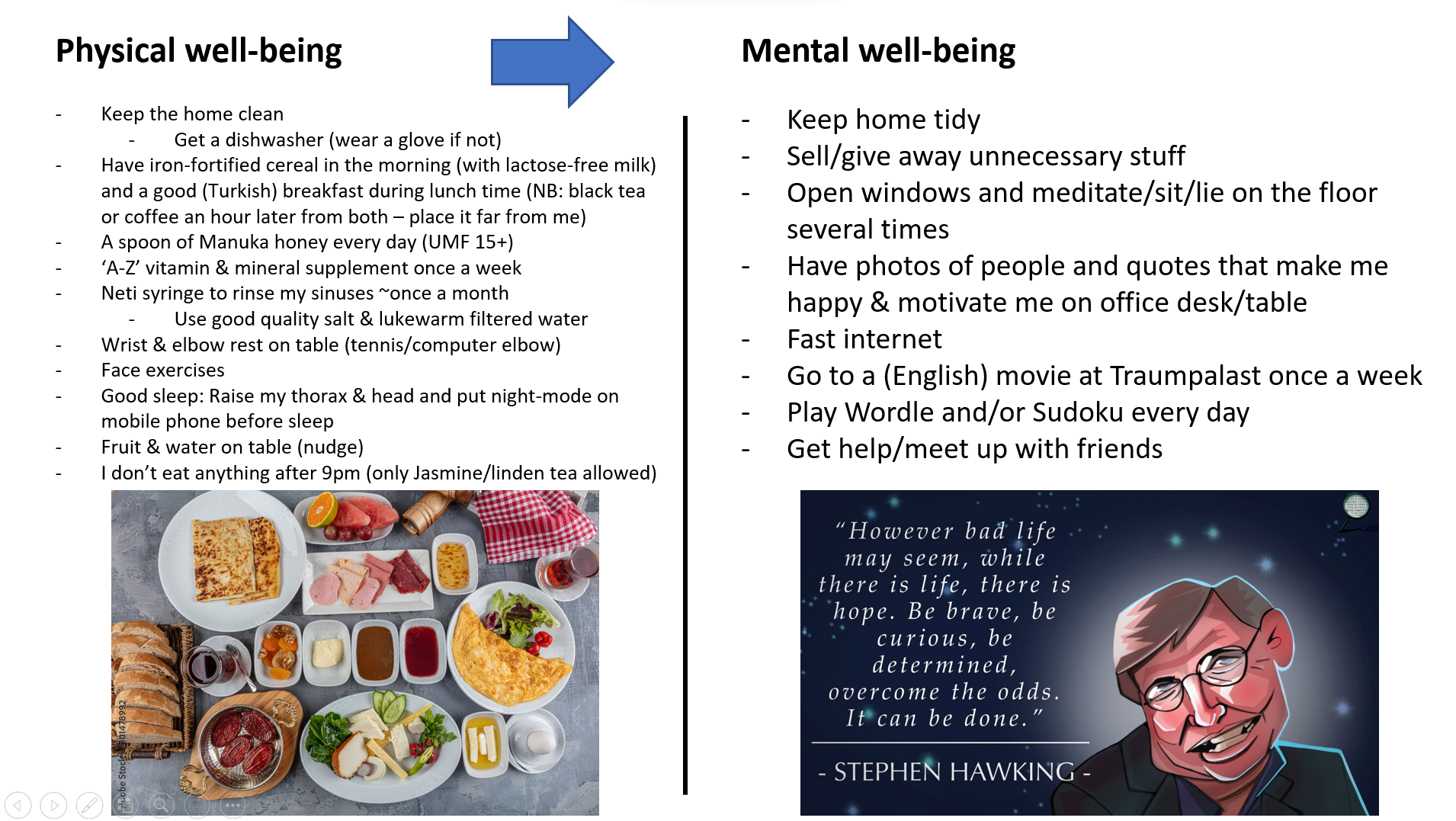
Physical well-being

  • I (try to) start the day with some face exercises
  • I try to keep my home clean and wash the dishes before going to bed (get a dishwasher if you can!)
  • I have a few wrist & elbow rests on my table to prevent tennis/computer elbow
  • I make time during my lunch break to have a proper ‘Turkish breakfast’ (see slide): e.g. Fresh bread/baguette, Omelette (e.g. Menemen made with top/”0″ class eggs, ‘sivri’ pepper, and good quality chopped tomatoes), green and black olives (in high-quality olive oil), variety of fruit, yoghurt (with mint), and good-quality spices e.g. pepper, chilli flakes…
  • I eat a teaspoonful of Manuka Honey every day (UMF 15+), take ‘A-Z’ vitamin & mineral supplement once a week, and try to have fruit on my table to nudge me to eat more (I should do this with water too!)
  • Once a month (or every two months), I rinse my sinuses with saline solution (made using high-quality salt and filtered lukewarm water) using a Neti syringe. I used to suffer from sinusitis (and consequent migraines) almost every 2-3 days before I started doing this
  • I gargle with antibacterial mouthwash or salty water once a day – doing this continually has cured my chronic tonsilitis, cough (from nasal drip) and bad breath
  • I don’t eat anything after 9pm (only water or high-quality jasmine/linden tea allowed). I find that brushing my teeth somehow signals to my brain that I will not be eating – and the urge to eat (mostly) stops
  • I set a reminder on my phone at ~9:30pm everyday to do some exercise such as (15x) crunches, push-ups, pull-ups, and leg-ups – if I haven’t already done some cycling or football/basketball training that day (making sure to apply Sudocrem or Chamois cream to jock area to prevent skin damage/jock itch due to friction)
  • I try to get a ‘good’ sleep by sleeping no later than 12pm. I also raise my thorax & head (cured my reflux/stomach – used to feel like garbage in the morning) and put ‘night-mode’ (i.e. switch to warmer colours) on my mobile phone before sleep

Mental well-being

  • I am shameless at getting help from friends who are more knowledgeable than me on respective matters and this saves me so much time and hassle
  • I made sure my internet was fast enough to not cause me trouble during meetings and webinars. It can be draining to let it linger and it is certainly worth the additional 10-20 euros/pounds a month if mostly working from home
  • I try to keep my home tidy and spacious by selling/giving away unnecessary stuff (e.g. if I don’t use something for ~6 months, then I can do away with it)
  • I open the windows and meditate/sit/lie on the floor several times during work hours. Also having a head massager is a (cheap) luxury which is well worth it!
  • I have photos of people (e.g. my family) and quotes (see slide for example) that make me happy and/or motivate me on my office desk/table**. Having a digital photo frame (set to ‘random’ mode) also helps massively to make use of photos on my PC.
  • Leaving the home is important e.g. I go nature parks and/or to the cinema (and/or a restaurant) at least once a week with my family and/or work colleagues
  • I play Wordle (both Turkish and English versions), a strategy/puzzle/mystery game (e.g. Professor Layton, Minesweeper or Brain Training on my Nintendo DS), and/or Sudoku every morning to start the day with a challenge that gets me going and the brain working
  • I look at the stars and planets during the night using an app called ‘Sky Map’. I also check out Google Earth, and Explore.org every now and then to observe elephants, eagles (nests), safari animals etc. live
  • I don’t read the news in the morning – especially during stressful world events (e.g. Russia’s unlawful invasion of Ukraine)

I hope the list was useful. It is also available to download here as a Powerpoint slide:

PS: I would also recommend having two monitors if possible as it helps me a lot when switching between tabs/academic papers


Footnotes:

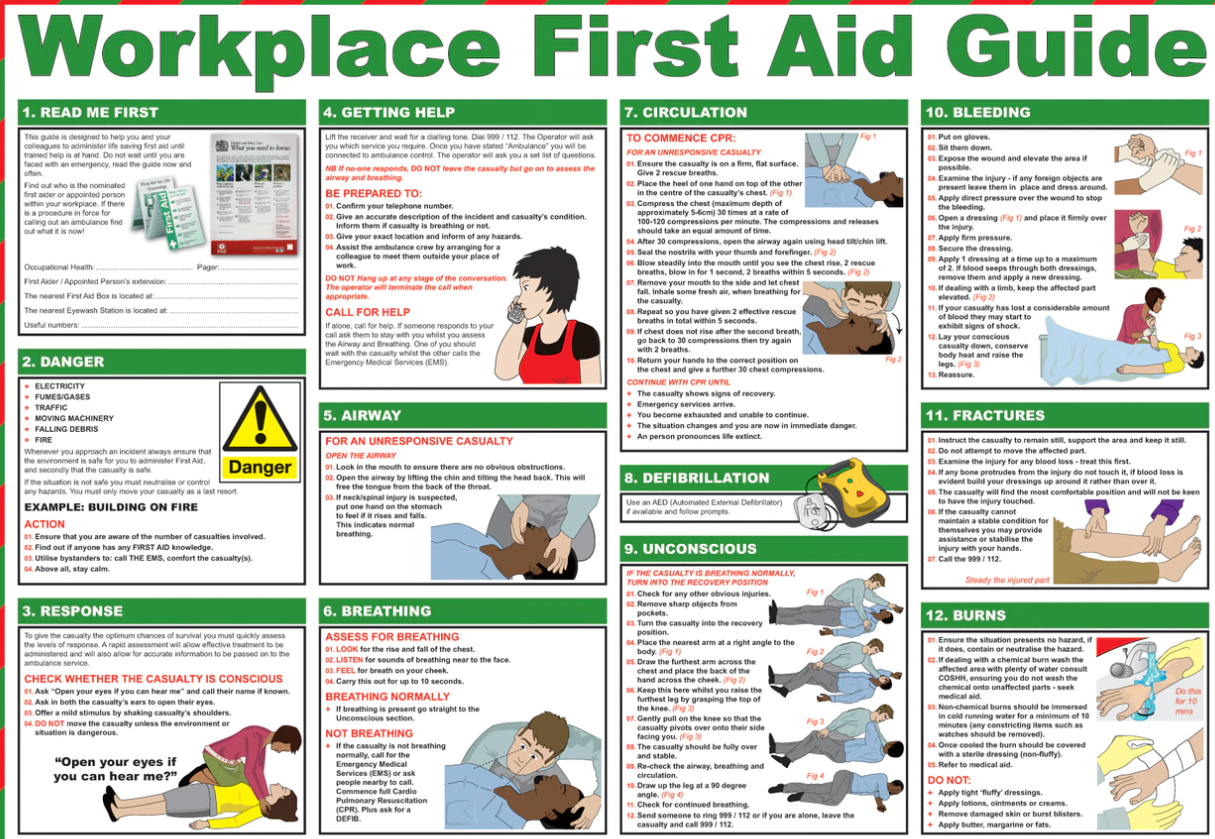
*I also keep an easy-to-eyeball first-aid guideline on my desktop – you can either buy a poster or a digital copy (like the one below) and keep it on your desktop

**I also keep a magazine or book that entertains me nearby; or have a favourite video/podcast list on my YouTube/Spotify accounts to fall back on when I want to discharge

Football Book Club – became one of my favourite podcasts. Very entertaining!

Note to non-Turkish speakers: This is a (2-hour) ‘Introduction to Genetic Epidemiology’ course in Turkish (Türkçe) by Mine Köprülü (PhD student in Genetic Epidemiology at the University of Cambridge) and myself (Dr Mesut Erzurumluoğlu – Genetic Epidemiologist at the University of Cambridge). Feel free to send the YouTube link to Turkish-speaking youngsters who may be interested in a career in genetics, epidemiology or related fields.

Türkiye Biyolojik Bilimler Ağı Sunumu (08/03/2021)

Cambridge Üniversitesi’nde (MRC Epidemiology Unit) doktora öğrencisi olan Mine Köprülü’yle beraber ‘Genetik Epidemiyoloji Nedir? Terminolojisi ve Epidemiyolojik Analizler‘ konulu (iki saatlik) sunumumuza Türkiye Biyolojik Bilimler Ağı‘nın YouTube kanalından ulaşabilirsiniz.

Slaytları buradan indirebilirsiniz:

Umarız faydalı olmuştur. Spesifik sorularınız olursa bize Twitter ya da email yoluyla ulaşabilirsiniz.

Sunumda bahsettiğim kaynaklar:

  • Bir bilim ve genetik reklamı (Blog)
  • İngiltere’de akademik kariyer için tavsiyeler (Blog)
  • Okuduğumuz sağlık haberleri ne kadar doğru? (Blog)
  • Post-GWAS analyses (Blog)
  • Causal Inference – Miguel Hernan & Jamie Robins (PDF)
  • Mine’nin ‘Az İş Çok Laf’ podcast bölümü (Spotify | YouTube)

Ek (22/05/21): ITU Journal Congress ’21’de verdiğim ‘Kronik Obstrüktif Akciğer Hastalığının Genetik Epidemiyolojisi’ adlı (~40 dakikalık) konuşma

2:28:15’de başlıyor
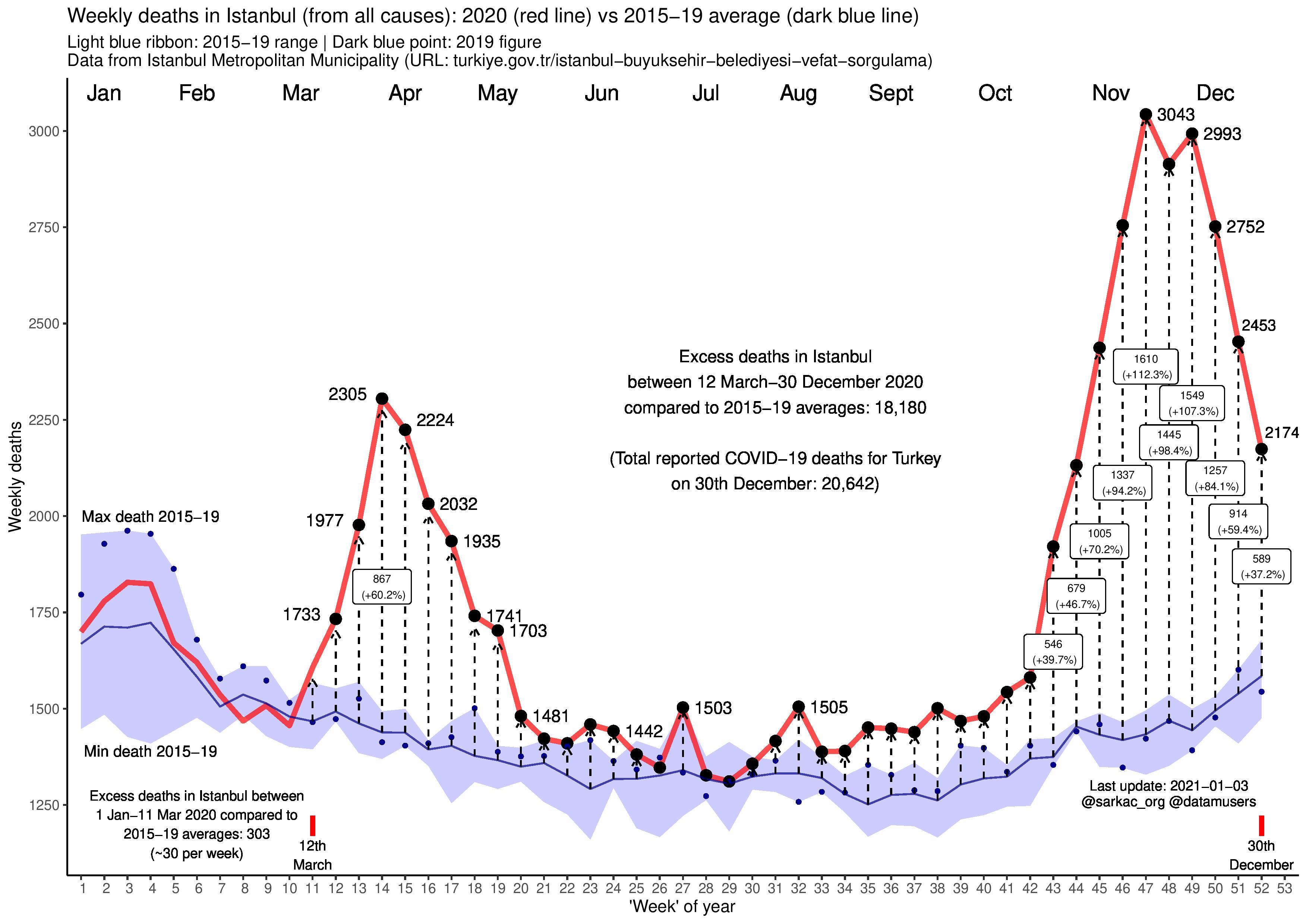
Figure showing excess ‘all-cause’ mortality in Istanbul (Turkey-wide data currently not available) in 2020 compared to 2015-19 averages – up to and including 30th December. We see a sharp increase in the number of excess deaths from week 11 onwards (i.e. 12th March onwards) – the week when the SARS-CoV-2 outbreak seems to have really took off in Istanbul. Reported number of total COVID-19 deaths on 30th December for Turkey was 20,642 (Reported number of total COVID-19 deaths on 25th October for Istanbul was 3,253 – last update; source: Ministry of Health/Sağlık Bakanlığı). But between 12th March and 30th December, we estimate excess deaths in Istanbul alone to be ~18,180 (NB: excess deaths were ~30 per week between 1st January and 12th March). Our estimate most likely points to either/both (i) an underestimation of deaths directly caused by COVID-19 and/or (ii) excessive deaths indirectly related to the current COVID-19 epidemic in Turkey. Both reasons deserve an extensive investigation by the media.

Important notes: This figure will be updated and shared on my Twitter feed every few weeks until the end of 2020 (the commentary below – posted 25th May 2020 will not be updated). The current (red line) plot finishes on the 52nd ‘week’ (i.e. 7-day interval) of 2020 which corresponds to 30th December, but the figures were updated on the 3rd January 2021 because the data provided by Istanbul Metropolitan Municipality is being updated retrospectively – which stabilises after ~7 days
. Further details on Istanbul’s death figures can be found here (Mayor of Istanbul’s statement and additional analysis carried out by Financial Times’ analysts) – including details about the initial confusion on whether these figures are ‘burials in Istanbul’ or ‘all deaths in Istanbul’. Plot wholly generated using the ggplot2 library in R.


An animation showing how the weekly deaths figures in Istanbul change between 2015 and 2020

Prominent newspapers in Turkey (e.g. Cumhuriyet, BirGün, duvaR, T24 – with >1M followers) have picked up on our analysis (incl. commentaries such as: Sınırlı veri, sınırsız pandemi)

Commentary/discussion (25/05/2020)

Excess ‘all-cause mortality’ (that is, deaths from all causes – not just COVID-19) is probably the most informative statistic when comparing countries as there is no standard in reporting COVID-19 deaths between countries (e.g. differential PCR-based testing accuracy, cause of death coded differently e.g. dying with vs due to COVID-19). Premature deaths are also the ultimate outcome to prevent* and easy to measure – making it less likely to be affected by measurement error. Excess all-cause mortality comparisons have their own caveats when comparing all the countries in the world as many countries aren’t transparent even in this regard (e.g. isolated and/or autocratic countries). However, we can still access reliable data from plenty of developed and developing countries – including cities with relatively autonomous local governments (e.g. Istanbul) in countries known to have ‘transparency’ issues.

All-cause mortality statistics can be very useful for a country/government to analyse how good it is tackling the multi-factorial challenges posed by the epidemic. As is shown in the above figure, analysing excess all-cause mortality will point us to deaths directly and indirectly related to the SARS-CoV-2 epidemic in Turkey. The indirect reasons include (not exhaustive): (i) people being scared to go to hospitals when they should have (and therefore died and not tested), and (ii) when they do, they may not have received the treatment they otherwise would have got due to insufficient number of beds, doctors/nurses.

I really like this figure by the Office of National Statistics (ONS; United Kingdom) as it can be very informative in preventing further unnecessary deaths. An analysis like this can point us to the indirect causes of excess deaths due to the epidemic. For example, there seems to be more people dying of Dementia/Alzheimer disease in England in April 2020 compared to the previous years, thus the causes of this spike should be further looked into (e.g. is it misdiagnosis or due to insufficient treatment?). There also seems to be less dying because of ischaemic heart disease, which probably means some of those who would have died in 2020 because of heart disease died due to COVID-19 – which makes sense as most who have died from COVID-19 were >65 aged men. Turkey (and all countries) should also make this data available. Image source: ons.gov.uk

We should note that (i) 2020’s Istanbul is a relatively less lively city than 2015-19’s Istanbul (e.g. less traffic on the roads and people on the streets) as there have been varying lockdown measures in the last couple of months, and (ii) we do not have access to Turkey-wide data to estimate what the total excess death figure in Turkey is. In our analysis we calculate excess deaths in Istanbul by comparing 2020’s results with 2015-10 averages. So, it is possible that the excess deaths are even higher in Istanbul (and most metropolitan cities around the world). This is something the Turkish government needs to be transparent and open to suggestions/improvement about. They clearly need help but only transparency can ensure that there is minimal unnecessary deaths.

The reasons behind excess deaths and whether the government could have done something about them should also be factored into whether a government is successful or not as very high excess all-cause mortality figures will show that they have tried to tackle this multidimensional problem using narrow-minded approaches. Especially the media need to ask the right questions (e.g. why is Turkey-wide data not available? what are the causes of these excess deaths? what is being done about them? who are advising the Turkish government?).

Aside from current excess deaths, long-term strategies should also be carefully taken – as although current excess deaths maybe low now for some countries (possibly including Turkey – we don’t know for sure), it may end up being as bad as other ‘poorly’ performing countries come the end of 2020 (with the additional ‘double whammy’ of destroying the economy of the country due to stricter lockdown measures). I therefore do not share the view of many academics who are repeatedly calling some countries ‘very successful’ as I think it’s too early to call any country ‘successful’ now. For me, there can only be ‘unsuccessful’ countries at the moment (e.g. Brazil seems to be a clear example of this – unless there are huge changes in policy by the government).

Finally, I value this exercise as I don’t think the media in Turkey is doing a good job of looking into what is causing these additional deaths. I will stop contributing to these analyses once I feel this issue is being properly looked in to by the government and the media**.

I am open to suggestions and criticism regarding these analyses. I am also happy – with appropriate attribution – for anyone to use the figure or the contents of this blog post (including direct Turkish translations).

Thanks for reading!

I’m happy to have contributed to this BBC World article by Becky Dale and Nassos Stylianou

Twitter thread I posted on the 25th May: (I posted my first such tweet on the 20th April)

Footnotes:

*If I was to provide an extreme example just to prove the point, imagine if whole of the UK was infected (e.g. due there were no lockdowns imposed or the lockdowns didn’t work at all, no education of the public regarding the spread) but there was no deaths from COVID-19 in the country because of world-class treatment provided to all those who were hospitalised, then we could safely say that the UK government/country was very successful. And vice-versa, if the total number of cases was only 100,000 in the whole country but all 100,000 died, then we could easily say – although the lockdowns etc. have worked – that government/country did a terrible job of handling the epidemic.

**There is criticism from some of my Turkish followers on why I’m not doing a similar analysis for the UK (my country of residence). However, similar – and better – analyses have been/are being carried out by scientists and the media professionals for the UK. Needless to say, the media, academia/intelligentsia and civil society in the UK is (i) more inquisitive, and (ii) have considerably more ‘know-how’ than their Turkish counterparts.

PS: Turkish version of the figure will appear on Sarkaç’s Twitter page (@sarkac_org) and blog every week – without the above commentary, as this is solely mine and does not necessarily reflect the views of Sarkaç.

PPS: I’m very concerned about a lack of preparation for an impending (large) earthquake in/near Istanbul. Combining this with more people being at home due to the epidemic, I fear the worst. The government and media must get on this matter as soon as possible.

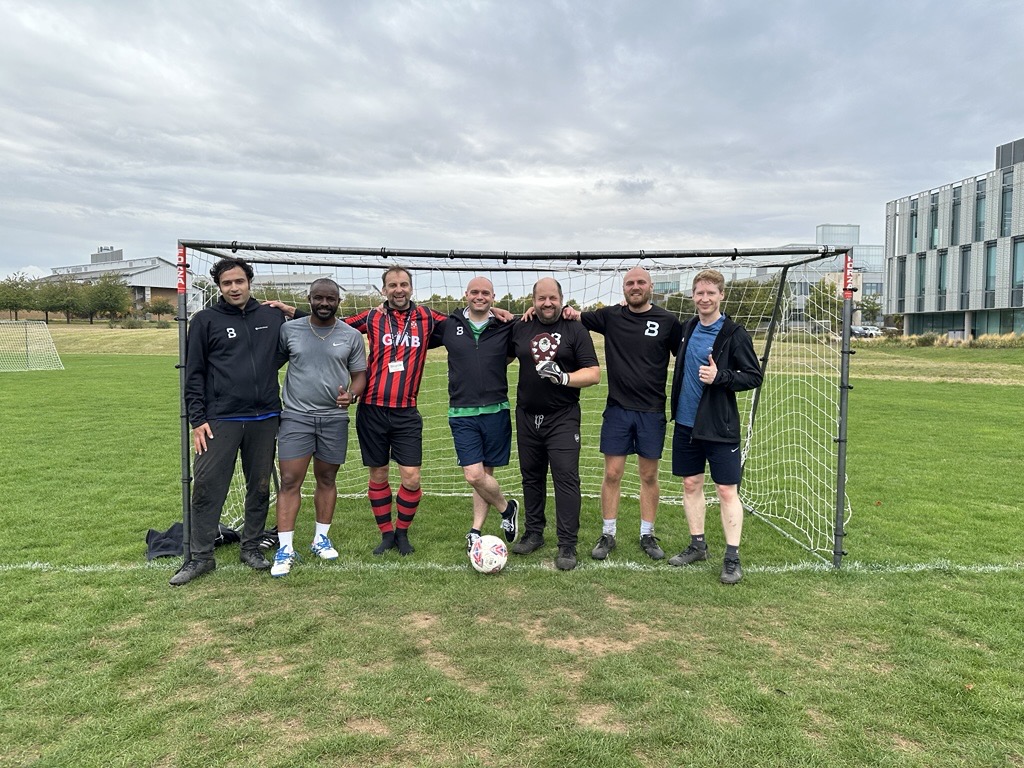
Victorious Bicycle Therapeutics team in the final (From left): Mesut Erzurumluoglu, Steve Kouokam, Gavin Bennett, John May, Richard Stock (Captain & GK), Ashley Griffin, Martin Wilkinson.
(Not in the photo: James Morgan, Nikola Sarnowska, Chris Lelliott, Alonso Haysom-Rodriguez, and Nikolaos Bournakas played in ≥1 matches in previous rounds)

After a slow start in the group stages, Mesut and colleagues at Bicycle Therapeutics (Tx) overcame several strong football teams – including the reigning (last two tournaments’) champions Illumina in the final – to bring home Bicycle Tx’s first ever sports-related trophy!

Mesut finished the tournament as top goalscorer with 12 goals in 5 games (missed 1st game v Alzheimer’s Research), including the winner in the final.

The tournament was organised by Granta Park – the home of many pharma companies and biotechs in south Cambridge.


Results:

Group Stage (8th July-20th August)

Finished 2nd in Group B with 4 points and scraped through to the quarter finals on goal difference

Alzheimer’s Research 2-1 Bicycle Tx (Steve)

Gilead 1-1 Bicycle Tx (Mesut 0-1)

Nxera 0-4 Bicycle Tx (Mesut 0-1 | Mesut 0-2, Mesut 0-3, Mesut 0-4)

Knockout Stages (28th August-1st October)

Quarter-Final (v 2nd in Group C)

Altos Labs 1-6 Bicycle Tx (Martin 0-1, Mesut 0-2, Steve 1-3 | Mesut 1-4, Mesut 1-5, Mesut 1-6)

Semi-Final (v 1st in Group A and winner of their respective QF)

BioMed Realty (aka Mighty Muntjacs) 0-5 Bicycle Tx (Mesut 0-1, Mesut 0-2, John 0-3 | Martin 0-4, Ashley 0-5)

Final (v 1st in Group C and winner of their respective QF and SF)

Illumina 0-1 Bicycle Tx (Mesut – 1st time finish from a curling cross by Ashley in the 1st half)

Granta Park Football Tournament Winners’ Shield – with Bicycle Tx engraved as the 2025 winners

Final Top Goalscorer table – for full details, see Score 7 website (Note: Assists table not very accurate as many teams/captains did not submit or partially submitted them incl. us)

PS: There have been many layoffs at Bicycle Tx in August (see link for details) so this tournament was an important opportunity for us in terms of ‘team building’ – and show our pride in representing this great biotech and generate some positive karma.

We were underdogs and could only achieve what we achieved by working for each other and the team as a whole (e.g. we had several attacking minded players who sacrificed their style for the team and provided assists to me when they could have acted selfishly; the subs made no fuss and did their job when they came on)

Gönül muhabbet ister podcast bahane! 🙂
Genelde, başarılı, bilgili ve ‘cool’ insanlarla hafif konularda muhabbet ediyoruz. Twitter’da #AzIsCokLaf hashtagini kullanarak öneride bulunabilirsiniz. (Not: Yavaş konuştuğumuzu düşündüğünüz bölümlerde Spotify ya da Youtube’un 1.2x hızlandırma özelliğini kullanabilirsiniz)


Az İş Çok Laf – Final Bölüm 30: Futbol tuhaf oyun – Kerem Aydın (11/05/2025)

Hostlar: Mesut Erzurumluoğlu (Twitter|Blog) ve Enes Öztoprak (LinkedIn)

Konuk: Kerem Aydın (Twitter)

Not: Maalesef hem akustik hem de internet bağlantı sorunları çektik ve birçok kısımı silmek zorunda kaldık. Kerem’in de sonradan bağlantısı tamamen koptu. Neyse artık elveda diyoruz zaten – umarız fazla rahatsız etmez. İyi dinlemeler!

“Truth is stranger than fiction, but it is because fiction is obliged to stick to possibilities; truth isn’t.” (Gerçek, kurgudan daha tuhaftır, çünkü kurgu, olabilirlikleri gözetmek durumundadır; gerçeğin öyle bir zorunluluğu yoktur) – Mark Twain

Bu bölümde Bilkent Universitesi Endüstri mühendisliği mezunu ve arkadaşları arasında ‘futbol almanağı‘ olarak tanınan Kerem Aydın’ı ağırladık ve kendisinden futbolla ilgili tuhaf anılarını dinledik.

Not: Kerem’i konuk aldığımız Bölüm 3, Bölüm 25, Bölüm 26 ve Bölüm 29 için tıklayın


Yayında kullandığımız terminoloji:

Glitch: Genelde oyunlarda ortaya çıkan (fizik kurallarına aykırı) komik arızalar (örn. FIFA konsol oyununda futbol topunun kalecinin içinden geçmesi gibi)

Infamous: Kötü anlamda, negatif bir şöhret/ün (örn. Ajdar ünlü bir şarkıcı)

Ateistler bunu da açıklasın‘ internet geyikleri/memeleri (Ekşisözlük)

Yayında bahsettiğimiz futbol mucizeleri ve tuhaf olaylar:

Leicester City FC’nin 2015/16 Premier Lig Şampiyonluğu (YouTube | Bir önceki sezon)

Yunanistan’ın Euro 2004’ü kazanması (YouTube)

Bayern Münih v Manchester Utd 1999 Şampiyonlar Ligi Finali (YouTube)

Leicester City FC v Watford 2013 (Premier League) Play-off maçı son saniyeler (YouTube)

Hırvatistan v Türkiye Euro 2008 çeyrek finali son saniyeler (YouTube)

Fransa v Arjantin 2022 Dünya Kupası Finali – ve son saniyede Martinez’in kurtarışı (YouTube)

Ertem Şener ve Fatih Terim’in komik diyaloğu (YouTube)

Leverkusen’in 2023/24 Bundesliga sezonunu ilk defa (ve namağlup!) kazanması (YouTube)

Fenerbahçe v Galatasaray (1991) derbisinde sakatlanan futbolcuyla sıcağı sıcağına röportaj (YouTube)

Arsenal v Zaragoza 1995 Kupa Galipleri Kupası finali – uzatmaların son dakikasında orta sahadan gol (YouTube)

Lilian Thuram’ın Fransa Milli Takımı için 142 maça çıkması ve attığı iki golü de 1998 Dünya Kupası Yarı Finalinde Hırvatistan’a karşı atıp, ülkesini finale taşıması (YouTube)

Manchester City’nin Aguero’nun golüyle son dakikalarda 2012 yılı Premier League şampiyonluğu (Son 10 dakika full | Aguerooo!)

Liverpool v Milan 2005 Şampiyonlar Ligi Finali (YouTube)

DC United v Orlando (2018) – Wayne Rooney’nin son saniyelerde inanılmaz asisti (YouTube)

Fransa’nın son saniyelerde yediği golle 1994 Dünya Kupasına gidememesi (YouTube)

Liverpool kalecisi Karius’un 2018 Şampiyonlar Ligi Finalinde yaptığı büyük hata (YouTube)


Bizi Twitter‘dan takip edin!

Podcastimizi SpotifyYouTube ya da Apple Podcasts‘ten takip edin ve arkadaşlarınızla paylaşın!


İntro müzikleri:

Altın Gün – Goca Dünya
Kemal Sunal’ın ‘Umudumuz Şaban’ filminden bir sahne

Öneri, soru ya da reklam için: coklafazis.podcast@gmail.com

Podcast episode edited by: Mesut Erzurumluoğlu

evrim
‘Hocam evrimciler sadece zevk almaya yarayan kilitorise nasıl bakıyorlar. Birde bunu, ayağı, göğüsü seven erkeklere mantıksal açıklama getiriyorlar mı?’

Atayizler/Evrimciler hadi bunu da açıklasın!” tarzı emaillere alıştım artık 😀 Bu – kimden geldiği belli olmayan – emaili de ciddiye alıp, nispeten uzun ve referanslı bir cevap verdim 😀 Geri cevap yazmadı hatırladığım kadarıyla…

Ergenlik yıllarımdan beri blog yazısı yazıyorum (iyi ki sosyal medya yoktu o zamanlar!) fakat son 5-6 senedir vaktim (ve enerjim) olmadığından ne fazla yazabiliyorum ne de eski türkçe yazılarımı geri dönüp okuyabiliyorum (ki gramer ya da içeriğine çeki-düzen vereyim). ‘Türkçe yazılar‘ sayfasında da bahsettiğim gibi maalesef özellikle 2017-öncesi türkçe yazılarım ingilizce yazılarımdan genelde daha didaktik ve biraz arabesk. Türkçe yazı yazma tarzımı (birçok sebepten dolayıi) zamanla değiştirsem (ve – umarım – geliştirsem) de yine de fazla türkçe blog yazısı paylaşamadım – arada (‘Az iş çok laf’ adıyla) bir podcast işine biraz giriştik yakın bir arkadaşımla fakat yoğunluktan onu da devam ettiremedik. Bundan dolayı aklıma (türkçe) bir blog yazısına uygun fikirler geldikçe ya da bana fikir verildikçe bunları öncelemeye çalışacağım.

Bu seriyi paylaşma fikri eşimden geldi. Onunla arada-sırada bana gelen emailleri (ya da DM’leri) paylaşırım ve fikrini alırım. Fakat bazılarına sadece kahkaha atmakla kalıyor 😀 Burada da hep beraber gülelim diye bana gelen bazı email/DMleri – tabi ki kişisel bilgileri kaldırarak – paylaşacağım. Ayrıca üzerinden en az 3 sene geçmiş olanları seçtim – ki bundan dolayı atanların dahi unuttuğunu umuyorum (çünkü ben 6 ay önce yazdıklarıma dahi şaşırıyorum çoğu kez!)…

Aşağıdakilerin hepsi (‘gerçek’ hayatta) tanımadığım insanlardan (laps diye) geldi 😀 Seviyeyi çok düşürenlerin dışında – ki onları paylaşmıyorum/paylaşmam (ifşaya karşıyım) – kimseyi (saçma dahi olsa) sordukları sorulardan dolayı aşağılama(dı)m. Buradakilerin çoğuna dahi vaktim el verdikçe cevap verdim. Bazıları geri cevap vermeye/teşekkür etmeye tenezzül etmese de 😀

Buyrun efendim. Nasıl yardımcı olabilirim?

‘liverpooldan kabul alsam birlesik kralliga geldigimde beni kim karsılar ve ben nerede kalabilirim suan okul ortalam 4 uzerinden 3.73 yuz uzerinden 92’

Liverpool’dan kabul alamadı – bu yüzden kimse karşılamak zorunda kalmadı 😀 Arkadaşın sonradan (aklına estikçe attığı) daha komik ve gereksiz soruları da vardı ama (çok ufak) bir ihtimal tanıyanlar varsa kim olduğu belli olabilirdi – ondan paylaşmıyorum

‘… bir kardeşim var onun yüksek linsansını yurt dışında almasını istiyoruz nasıl yardımcı olabilirsiniz?’

Nasıl yardımcı olabilirim? Mesela yarın gelsin başlasın hemen! 😀

‘Merhabalar, üniversite bölümünüzle ilgili konuşabilir miyiz?’

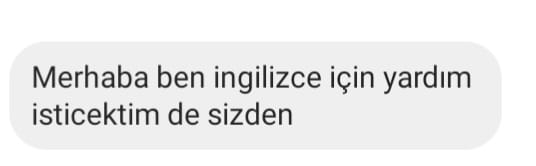
‘Merhaba ben ingilizce için yardım isticektim de sizden’

Kendi türkçem iyi olsa önce oradan başlardım – ne yazık ki değil 😀
Fakat o kadar çok bu ve benzeri soru geliyor(du) ki – sonradan vicdan azabı çekmemek için – bu konuda üç blog yazısı yazmak zorunda kaldım 😀
1- İngiltere’de akademik kariyer için tavsiyeler
2- İngiltere’de okumak/yaşamak
3- İngiliz kültürüne dair gözlemlerim

‘Biraz kilom var rejim yapamıyorum bir türlü hep iştahım var’

Arkadaşı bir doktor arkadaşa yönlendirdiğimi hatırlıyorum 😀

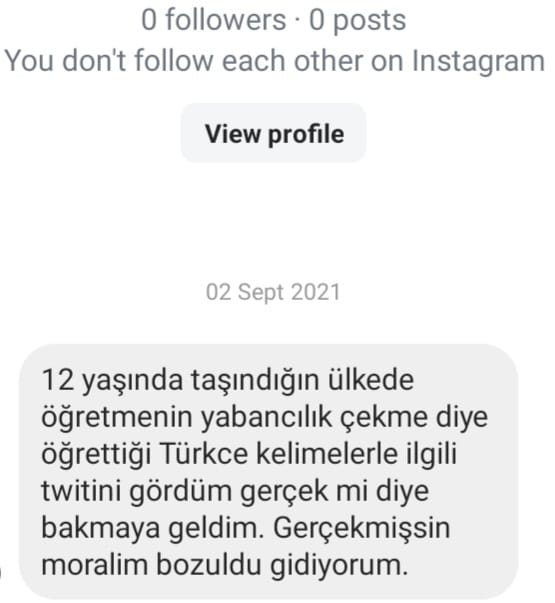
“Gerçekmişsin moralim bozuldu gidiyorum” dedi ve gitti…

Hala (Mart 2025) sıfır paylaşım ve takipçi 😀 (bahsettiği tweet)

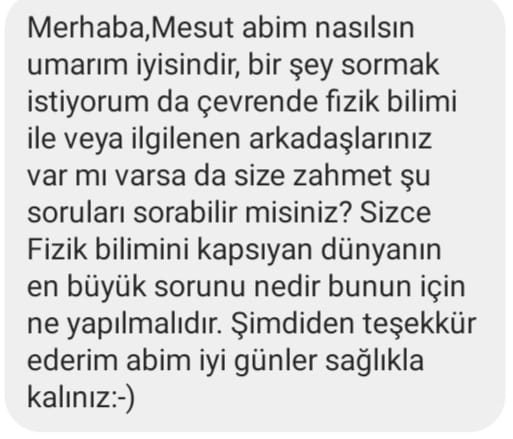
‘Sizce Fizik bilimini kapsıyan dünyanın en büyük sorunu nedir bunun icin ne yapılmalıdır.’

Yarın ilk iş sorarım kardeşim 😀

Şimdilik kısa ve tadında dursun. To be continued… 😀

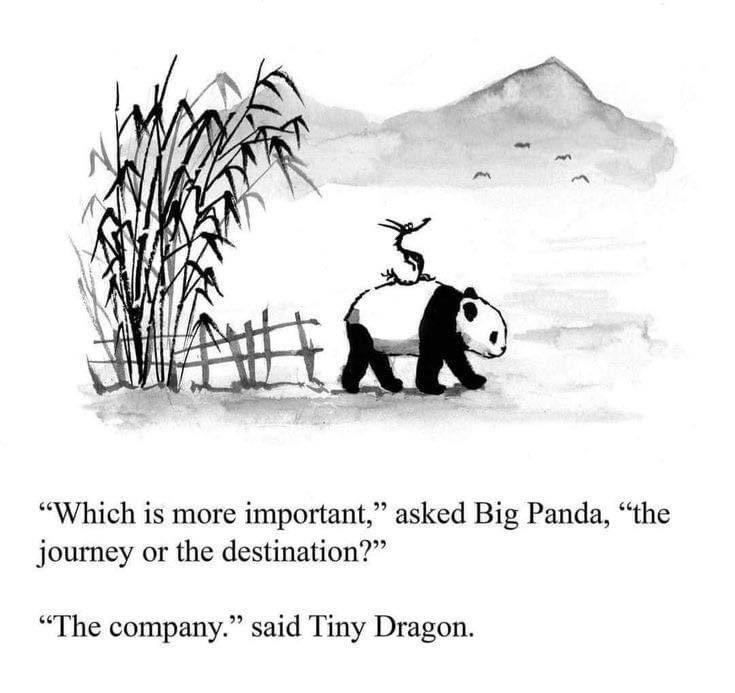
“Which is more important? The journey or the destination?” asked Big Panda

“The company.” said the Tiny Dragon


Backstory

In September 2021 (as a 33 year old), I moved to (South) Germany with my wife and son – and joined the then newly formed Computational Biology (‘gCBDS’ in short) Department of Boehringer Ingelheim (BI) as a ‘Senior Scientist’ (and ‘Product Owner’ afterwards for ~20 months). I was <20th hire of the department (incl. leadership team), which went on to hire >100 in a short space of time. So I didn’t get much of a chance to loiter and had to learn quickly to be helpful to the ‘new hires’. The Human Genetics team was an even newer team within gCBDS and designed to be a truly cross-cutting one – so we dealt with all therapeutic areas (there was six at the time: Cardio-Metabolic, Immunology & Respiratory, CNS, Cancer Immunology & Immunomodulation, Cancer Research, and Research Beyond Borders – which was ‘everything else’). It was very challenging at first – especially as there were colleagues who didn’t believe in the power of human genetics/omics in drug target ID/validation/repurposing – but gave me the chance to:
(i) meet colleagues who are experts in different fields and learn a lot about different diseases and their molecular causes/master mechanisms – and tweak my analysis pipelines and visualisations to their needs (published quiet a few papers with them too e.g. Jones et al., 2024; Kousathanas et al., 2024; Noyvert, Erzurumluoglu, Drichel, Omland & Andlauer et al., 2023; Qiu et al., 2024), and
(ii) lead (or co-lead) important initiatives such as the Digital Innovation Unit (DIU)’s Biobank Project where I would come up with ‘solutions’ as Product Owner (PO) to make the biobank data that BI invests heavily in more ‘accessible’ to the CompBio and wet-lab colleagues and ultimately impact the portfolio – pitching for funding to the leadership team (obtaining >450k euros in ~1.5 years), presenting ‘business value’ (e.g. making certain analysis pipelines >25% faster and cheaper, pushing targets to portfolio), scouting/interviewing CROs, and leading subteams/project managers as part of my PO role. We were also one of the earliest users of the UKB RAP (UK Biobank) and Sandbox (FinnGen) platforms, and helped shape the Our Future Health genotyping array. Having a bit of influence in the External Innovation camp also helped with bringing Dr Richard Allen – a leading scientist in the genetics of Idiopathic Pulmonary Fibrosis (NB: BI has a blockbuster drug called Ofev used in treating IPF patients) – to Biberach for a week.
I am proud of what we were able to achieve and I probably wouldn’t be able to do most of these at this stage of my career if I was to stay in academia or had joined Pharma companies with more established CompBio/Human Genetics departments e.g. GSK, AZ, and Regeneron.

As a family, we learned, saw and grew a lot as individuals, so I wanted to jot down a few sentences to share our experiences for Comp. Biologists curious about a move to (South) Germany and/or Boehringer Ingelheim.

As always, happy to take any questions directly and/or in the comments section!


Looking back

I want to start with the ‘goodbye’ email I sent (with the above picture from ‘Big Panda and Tiny Dragon’) to my colleagues on my last day – which summarised my feelings:

Dear all,
I spent an action packed ~3 years as a fellow gCBDSer! Looking back, I not only learned so much as a scientist but also as a person. It would be too long to list the cultural, social, and emotional impact moving to Biberach/Germany had on me and my family, but we will never forget the teary eyes of many of our friends, neighbours, and Isaac’s kindergarden teachers/friends – we also shed a few tears to say the least. We enjoyed (almost!) every second of our time here and will be recommending BI as a great employer wherever we go. On this end, I thank Till (Andlauer) for contacting/encouraging me to join BI and the Human Genetics team – learned a lot from him.
I was fortunate enough to help shape the Human Genetics Team from its early days – most notably, championing Mendelian Randomisation to virtually all the therapeutic areas (TAs) – but also be Product Owner (PO) of the DIU’s Biobank project, where we* graduated three solutions to make the Biobank data FAIRer (via self-service tools/algorithms, and integration with NTC Studio) and more impactful. We pinpointed that at least 27 targets (across 5 TAs) that entered portfolio were significantly supported by this data in the ~1.5 years I was PO. I also want to underline that we helped with the deprioritisation of even more – which I believe can be as important as validating a target.
My family’s moved back to the UK last month as my wife started as a Lecturer at Warwick University and my son started school in Leicester. I will join a biotech after a little break (details will be shared on social media when I formally start).
If you’re ever in the UK, we would be very happy to host you and/or catch up over a kebab, fish & chips, or a curry – on me as usual 😉
Mach’s gut!
Mesut (on behalf of Fatma, Isaac & Newton)

*Too many people to thank but special thanks to Dr Boris Bartholdy, Dr Julio C. Bolivar-Lopez, Dr Johann de Jong, and Dr Hanati Tuoken – the Project Managers whom (co)led the solutions proposed to the DIU leadership team


Pros & Cons

Going back to the beginning: It was not an easy decision to leave our ‘comfort zone’ in Leicester (where I lived most of my life; see blog post for details) but we couldn’t pass up the chance to move to a country like (the South of) Germany, learn a new culture/language, and meet lots of new people – in addition to working for a ‘Big Pharma’ company (see my blog post when I was about to join BI). We decided to live in Biberach an der Riss from ‘Day 1’ (when many colleagues suggested living in nearby Ulm – the birthplace of Einstein) – and this small town with a population of ~40k grew on us quickly. You’re left amazed at how clean, safe, and economically productive the town is with the presence of large companies such as Liebherr, Handtmann, KaVo, and Baur – in addition to BI’s largest research centre (with >6k employees) being located here.

Let me summarise the ‘Pros’ first:
1- BI pays well (and provides a lot of benefits) – even for German standards (which is higher than UK standards!). The company is also quiet special in that it’s the largest private pharma company in the world – so the way things work are bit different than other ‘Big Pharma’ companies. So you can certainly ‘learn and earn’ well here!
2- The German system supports families well e.g. child benefit/kindergeld is ~250 euros per child and the tax class is (usually) lower, and kindergartens (in South Germany) are of very good quality and cheap compared to the UK (at least Leicester!).
3- South Germany is beautiful with lots to do. It’s also at the heart of continental Europe, so flights are very cheap (check Ryanair flights from Memmingen Airport) and a lot of places (incl. Eastern France, Switzerland, Austria, Northern Italy, Czechia) are within driving-distance. There are also a lot of unique festivals (big and small) and fantastic Christmas Markets, which are worth attending at least once (see tweets below)

It’s not easy to pinpoint the challenges you personally might face at the Biberach site – as everyone’s context is different – but I’ll list the ones I personally struggled with (at least for some time):

Watch out for:
1- You’d need to learn a bit of German to get along with the older generation in South Germany – as they get annoyed if you talk English to them directly. Try learning at least basic German – then they also try to help and speak English with you if needed
2- Rent and living costs are high in Biberach (and Ulm). Thinking of buying a decent house? Better have a massive budget or forget about it! Housing market is even worse than the UK!
3- Do not argue with the police/government officials – or appeal their decisions (see ‘Anecdotes’ section below too). You will likely get double the fine with nowhere to complain. Things are a bit devoid of common sense when it comes to state matters. As an example from my own experience, an officer suddenly puts up a sign on our street to state that there’s no parking for a certain amount of time. But the sign that says ‘Residents only/free’ was still up there. So I had parked my car on my usual spot. I see the officer writing a ticket and go over to him to ask what was happening. He explains the situation and I apologise, show him the sign that confused me, also noting that I was new here. I assumed he hadn’t issued the ticket – but of course I was wrong. I then appealed the ticket to explain the situation (with photo evidence of the signs) but it was rejected – and this time with twice the fee. Another example: During the pandemic, my wife and son were made to queue outside for some time to let other passengers through. My (4 year old) son was about to burst and needed the toilet but the police didn’t allow him – no matter how many times she asked. This would almost never happen in the UK
4- Non-German take-aways/restaurants aren’t at the same level as the UK (at least nowhere near Leicester!). It can also get boring in the evenings and Sundays as most places are closed (see below to see what we were up to).
5- The turnover in BI’s CompBio department is high (a huge waste of resources unfortunately!), so get ready for many ‘welcomes’ and ‘goodbyes’. This is partially due to company/HR (e.g. miscommunication, false promises before joining, not allowed to live far from Biberach) and/or the leadership team-related issues (e.g. lack of empathy/care and/or power to keep ‘junior’ talent happy) but not always – and colleagues have cited a variety of other reasons (e.g. spouses struggling to find jobs, weather, not being able to integrate to South German society).

Why did I leave?

I resigned mostly due to family reasons – as my wife (who has a PhD in Law) was not able to find a job for >2 years in/near Biberach that also allowed hybrid or remote work. BI – which I believe will change for the better in this regard (but too late for me and family!) – doesn’t allow even Computational Biologists to live too far away from Biberach, which made it much harder for her as there were nice opportunities at international Law firms in/near Frankfurt and Berlin. Before I signed, we were reassured by an HR colleague that BI’s Legal Team should be able to find something but unfortunately not much came out of my wife’s endeavours. In addition to the disappointment regarding the lack of help from HR, Legal Team members, and my own boss(es) regarding my wife’s situation, I also wasn’t very happy with the direction of the team/department and – although I didn’t ‘downtool’ – it made it easier for me to leave my well-paying permanent position and look elsewhere.

Once my wife found a job at a prestigious university in the UK, I also looked around for UK-based posts that fit my skillset, ambitions and (were likely to have) met my minimum salary and flexibility expectations. After two rejections at the panel interview stage for senior roles (i.e. at Director and Assoc. Director level) at Big Pharma companies, and four strong applications not concluding due to
(i) cancellations (e.g. the interview process took >5 months in one application and the company/HR changed hiring priorities due to people leaving; another post was closed due to relocation to the US),
(ii) potential conflict of interest as they had signed recent contracts with BI or
(iii) ‘being overqualified’ and/or ‘being expensive’ (note that I wouldn’t have applied if I wasn’t happy with the title/role and/or salary), I decided to push different buttons and try to revive my data science/infrastructure business ‘data muse’ (datamuse.co.uk) – which I had initially set up with my sister (a successful businesswomen/data engineer) during the pandemic and then stepped down when I got hired by BI. I thought it was a good time for me to explore different sectors and it turned out to be a good decision (in the short term) as I widened my UK-based network and forged alliances with a Cambridge-based biotech (working as their Lead Comp. Biologist in ‘stealth mode’) and two SMEs (incl. a consultant role). However, I also had several applications progressing (incl. a Team Lead position at a very prestigious Aerospace company) and one biotech really ticked all the boxes for me: Bicycle Therapeutics – a biotech with fantastic potential (see their pipeline), nice culture/people, very good benefits and where I can learn a lot (e.g. had never worked with ‘bicycles’ before). I will (handover hands-on responsibilities at data muse and) formally start in January 2025.

Conclusion & Anecdotes

Long story short, I not only learned and travelled a lot (in Continental Europe, LA & South East Asia) but also earned/saved enough money during my ~3 years at Boehringer to (be in a position to) buy a house in a nice neighbourhood in my home town (i.e. Leicester). I also got to use the Agile/Atlassian Project and Team Management tools (e.g. Jira, Confluence), which I also utilised at data muse. As a family, we made many lifelong friends, which I see as the biggest gain.

I would certainly advise anyone to give BI at least a try should the right opportunity arise.

I want to finish with three (tragicomical) anecdotes – showing the good, the bad and the ugly side of ‘our journey’:
1- Although I was headhunted for the position at BI and had a very nice chat with Till Andlauer (1st hire and very senior member of the Human Genetics team – who persuaded me to apply), my initial application was rejected by HR. After two days of feeling betrayed (I was naïve at the time), I reached out to Till to ask why I was rejected and he told me there must have been a mistake. The same day HR writes back to say they made a mistake and I will be invited for a panel interview soon.

It was a good lesson on how ‘diligent’ and coordinated HR can be with some of these applications – and how much role luck (and making your own luck) can play!

2- For our arrival to Germany, our assistant had purchased a ticket to Munich airport from London. When we arrived, all the rental cars were gone (rent before arrival!). So we decided to ask for a taxi. When the taxi driver asked for >300 euros to travel to Biberach, I – still with the ‘Academia/Postdoc mindset’ (and not listening to my wife!) – decided that we would try the Deutsche Bahn/train (which cost ~40 euros). Normally, there would be 3 changes (Airport -> Munich -> Ulm -> Biberach) but we didn’t know/realise there were strikes that day (quite common!), so we ended up in Stuttgart rather than Ulm – which is further away. Took us >5 hours to get to Biberach! It was midnight when we arrived at the Biberach Bahnhof/Train Station and the first thing we see is 7-8 young adults having a serious fight with broken bottles being thrown about (we’ve lived there for 3 years since and never saw anything like it!). I was getting ready to defend my family in case they came close to us but thankfully we quickly found a taxi (driver who knew some English) who took us to our guest apartment. The apartment flat was a bit stuffy, so we opened the windows and (not exaggerating!) hundreds of mosquitos came in (we never had a mosquito problem in Leicester). I spent an hour killing them 😐
When I met my colleagues on my first workday, I asked how they (i.e. the cross-border hires) all travelled to Biberach and every single one said they used the taxi – as they knew the company would reimburse. You learn from these experiences I guess 😀

3- At the time of writing, Blue Card holders (which we were) are entitled to permanent residence in Germany in 27 months if they learn basic German (certified A1 or above) and pass the ‘Leben in Deutschland’ test. There was also a newly created ‘Highly-qualified worker’ visa (Sec 18c ResA), which does not specify any criteria on the website other than having ‘special expertise‘. Although we were planning to leave Germany due to my wife’s situation (no formal resignation yet), because we were very happy and wanted to keep in regular touch with our friends here (and even live here again if the right opportunity arose for both myself and my wife), I decided to go for this visa type – as I didn’t want to wait 4-5 months for a spot to enter the ‘Leben in Deutschland’ test in Biberach (I already had a A1 certificate with a ‘Sehr Gut’ grade from the Goethe Institute). I wrote a cover letter explaining why I wanted to apply and why I was qualified – enclosing my payslips, CV, Tax returns, proof of address, my son’s school details etc.
Turns out I was the first one to apply via this route in Biberach. Of course, this lack of clarity in the criteria created a big dilemma for the case worker and it took some time for her to do her research and get back to me. She then told me that I had to provide documentation that I would be able to sustain myself and family permanently (which is a huge criteria that she/her boss pulled out of thin air). I wasn’t going to reply initially (as I had now formally resigned from Boehringer and was returning to the UK in ~4 months) but later underlined what I wrote in the cover letter (e.g. highly-cited papers in the field, Top 2% earner in Germany, permanent contract) in a last bid to get a permanent visa – of course to no avail.
That was the end of it for me but not for her – and showed a side to German State affairs that we are not used to in the UK: Turns out she contacted BI to find out that I had now resigned and gave my name to the authorities to issue a fine to me (due to not informing the authorities of my resignation). I paid the fine but also wrote her the below email:

I received a letter today, titled ‘Anhorung im Bussgeldverfahren’ from the Biberach Bussgeldstelle. It seems like you told them that I did not inform you/Auslanderstelle regarding my resignation from Boehringer Ingelheim.
I am not sure why you decided to do this without telling me first – as I thought/understood that Boehringer Ingelheim would tell the authorities about my resignation. I hope you understand that I am not fully knowledgeable about the workings of this country – and it would have been kinder if you had informed/warned me first.
The big problem for me is that you treated me like I’m trying to stay here as an illegal immigrant. I am an established scientist whose CV includes highly-cited academic papers in some of the best journals. I was also chosen ‘top performer’ for consecutive years in my group at Boehringer Ingelheim. I had a permanent contract here and I decided to terminate it as we – as a family – found better opportunities in the UK.
You’ll be happy to hear that we are leaving Germany in a month’s time and will deregister as soon as possible.


Biberach an der Riss commemorated on the Arc de Triomphe in Paris – as Biberach was the battleground of two Napoleonic Wars (1796 & 1800). Photo credit: Fatma Nursima Arslan (July 2025)

Notable things about Biberach an der Riss:

-Historical city: Imperial Free City (1281-1803), and battleground of the Thirty Years’ War (1618 -> +30?) & two Napoleonic wars (1796 & 1800 – see photo above)
-The Biberach Donkey (a story by the writer Christoph Martin Wieland; see summary here)
-Birthplace of Heinz H. Engler – who designed the first system tableware in the catering industry (Link)
-Birthplace of Loris Karius – Liverpool’s Goalkeeper in the 2018 Champions League Final (don’t watch the highlights!)
POIs closeby:
(Clustered POIs close to eachother)
-Burrenwald/Kletterwald
-Baltringen (Fossil site)
-Federsee/Wackelwald (Bouncy forest)
-Erwin Hymer (Caravan) Museum/Tannenbuhl/Bad Waldsee
-Öchslebahn
-Kürnbach Museum (watch out for special events)
-Jordanbad (we used to go to this spa almost every weekend with my son)
Nearby cities/POI to visit:
<1.5 hours driving distance:
-Ulm (Einstein’s birthplace, home of the Löwenmensch)
-Ravensburg (birthplace of the Ravensburger puzzles)
-Konstanz/Meersburg
-Lindau/Bregenz
-Breitachklamm/Oberstdorf
-Neuschwanstein Castle/Füssen
-Nördlingen
-Northern Switzerland: Schaffhausen (Rheinfall), Zürich, Basel
-Eastern France: Strasbourg, Colmar/Riquewihr


Related Tweets:

My comedy attempts – inspired by my interactions in Germany 🙂

Maldini was one of my favourite players and the above quote from him is one of my favourite football-related quotes. I love watching and learning from people who are masters of their craft and see the true essence of their job*

Introduction

As a 13-year old playing as a forward (‘number 9’) for a prominent football team in Leicester (Highfield Rangers) – and at a cross-roads in my (potential) football career, I was (wrongly) diagnosed with meniscitis and told to stay away from any intense sports for ~6 months. As football was my only passion at the time, I couldn’t resist a kick-about with my school mates and ended up damaging my knee even further. I would have very intense pain for days after every game. I went to another doctor for help and he diagnosed me with Osgood-Schlatters disease, which is a common cause of knee pain in growing adolescents who do intense sports. It’s certainly not as bad as meniscitis and many players who reached the top like Steven Gerard and Paul Scholes have it. So, if I was diagnosed correctly at the time, I could have got away with a couple of weeks’ rest and regular ice pack treatment until my growth spurt ended – which I probably would have obliged. So (i) the wrong diagnosis, (ii) my inability to withstand my desire to play football, and (iii) not having someone to guide me in my early football career gave me the worst possible start. Before the injury, I was the top goalscorer of the U15 team – mostly thanks to being very fast** and having a very good technique – even though I was one of the youngest and shortest at the time (I’d like to also think I was quite intelligent for my age too). Pains me to say this but, living in Germany now – where even teams in the Kreisliga (like Division 10 in the UK) have access to good resources, I can also better see that the UK or a city like Leicester was not the best place for a young player like me (see the three points in bold above). Maybe if I was in Germany, I would have been better treated and educated, and could have made a fresh start.

After the intense pain (mostly) went away in a year or so time, I started to play in football tournaments every now and then, and won a few prestigious cups (incl. local 5-a-side Goals tournaments) but always felt that I (even as a 15 year old) was now too late for professional football in the UK, so decided to concentrate on my studies – which I have no regrets over. What I do regret is that (our peak physical) life is too short to fully commit to different careers – if having a football career was an option now (i.e. as a 34 year old now, I would still be at my peak physical condition for the next 10-15 years let’s say), I definitely would have given it a go just to see how far I could go. I did have a successful Leicester Sunday League (2007-10) and University of Bristol Staff League (2012-16) career though 😊

Anyway, after a slightly longer introduction than anticipated, let’s move straight to some things I picked up from my experiences but also others’:

General advice

  • Thinking about being a player you would hate to play against is a good start to set up the foundations for development. The most annoying oppositions for me were physically strong ones that never gave up – even after 3-0 down
  • Technical talent is overrated. ‘Hard work’ definitely beats ‘talent’ if talent doesn’t work hard (attributed to Tim Notke – a basketball coach). When talented people work hard and continuously improve themselves, then they become unstoppable – Ronaldo and Messi being perfect examples
  • Being available is the most underrated skill***. Keeping fit and ready (even if when not first pick) throughout the season is the reason why some ‘not-so-skilled’ players have had very successful and long careers at the top. I used to also think that the Golden Boot being awarded to a player who scored 1-2 extra goals than the 2nd player who played 10 games less was unfair but I now fully support it – same with the Golden Boot being shared although one player played many more games
  • Learn from the wins as well as the losses – analyse what went well also, not just what went wrong
  • Ask your coach and friends what you can improve on – this will be an eye opener, even if you don’t agree with them
  • Study yourself first and then study the best similar-styled players. Read autobiographies of these players and analysis books (e.g. do you know what POMO is?), listen to podcasts (e.g. The Athletic, Football Ramble), and watch analysis channels such as Sky Sports Football (and related channels e.g. The Overlap) and Tifo Football. Making a Football Manager-style summary card for yourself could help (Advanced: once you’ve honed your strengths and worked on your own weaknesses, study your likely opponents and learn to exploit their (potential) weaknesses e.g. if a defender or a goalkeeper is known to be eccentric – as a striker applying pressure, you know they might try to not just hoof the ball up the field every time but fake a kick and try to get past you at some point. Be prepared to nick the ball off them when that opportunity comes)
  • Best players are not right or left-sided, they use either foot almost as good
  • Have short and long term plans – and when an opportunity comes, see whether it fits with those plans. If you’re not on track to achieve those goals, talk to manager and experienced mates to get their advice
  • Do whatever gives you an extra boost pre-game – whether that’s listening to a certain type of music and/or praying – as most games are decided on small details (even many of those that finished 3-0)
  • Think of ways to become (one of) the coach’s and fan’s favourite. This will ensure that you’re playing and give you another chance to shine – this is what each game is! For the coach, showing that you’re listening and trying to keep to his tactics is key. For the fans, having tidy hair, clapping after the game and/or chatting with them after the game will go a long way. Using social media wisely is also important once you start accumulating follower – get at least one person to have a look before posting something
  • Playing for the national youth teams of smaller footballing nations is a great way to make a name for yourself – without committing to them for the rest of your career. So if you have citizenship and/or ancestry from these nations, contact their coaches and maybe you’ll get a call up even if you’re not playing in a top (youth) team. For example, a friend of mine had Antiguan ancestry and played for the Antigua and Barbuda National Team at a young age – and even played against the USA
  • Try to find yourself an English-speaking agent from a young age – to help with your visibility when you’re ready to make the jump

Advice to forward players

  • Number one priority for a striker is to score and directly assist goals. Getting involved in team play, winning headers, pressing defenders, defending corners etc. are all secondary and should not hinder your first priority. Only add these to your game once you’ve mastered your main job. Haaland is a perfect example of this – he can definitely improve on the other aspects but as long as he’s scoring at his current rate, no one will mind.
  • Best strikerslead the line‘ (e.g. Ronaldo, Rooney, Drogba, Ibrahimovic, Lewandowski, Shearer, Benzema****), therefore you must be strong physically and mentally but also have a leader mindset. If you’re not a natural leader, then take courses and/or read books to become one. You are the most important player in the team and therefore must be able to handle the responsibilities and the accompanying pressure
  • Football is a team sport, thus learn to work with your team mates to make space for yourself. There’s a reason why Ronaldo and Messi consistently scored a large number of goals every year: not only are they masters on the ball but off it too (e.g. if teams blindly concentrated on stopping Messi, then Suarez or Neymar would have also destroyed them. Messi utilised Suarez and Neymar’s runs to consistently make space for himself and score). It’s also OK not to score in a game if you played ‘well’ (e.g. directly contributed to the team’s win by assisting a goal) and the team won.
  • Best strikers make it look easy and usually score with their first touch where possible (max 1-2 touches before finishing). If you find yourself doing a lot of work before scoring, then reanalyse what could be made efficient. Especially work on first time finishes (of all sorts e.g. whipped, floated and slow crosses, penalties, volleys, tap-ins, headers – utilising both feet) – as defenders and/or keepers have a much increased chance of closing the angle or blocking a shot with every passing millisecond
  • As a striker, you must have a thick skin and be oblivious to abuse from (cunning/dirty) defenders and the opposition supporters. I was elbowed by a defender once and the referee didn’t see it. I got so angry and wanted to punch the guy but – even in the heat of the moment I was calm enough to realise that – if I did, he would have got exactly what he wanted. I told the referee about it to make him aware and carried on with my game
  • Learn to quickly forget any missed chances and not letting your head down. You will have plenty of chances to rectify any misses – if not this game, then the next. Learning to miss and forget is so important that I would recommend actually training for this. Do some ‘missing sessions’ (e.g. hit the ball nicely but deliberately miss a chance in training) and simulate how you would react. Even the greatest strikers miss gilt-edged chances but they usually do so in a cool way e.g. they hit the ball sweetly over the bar – not scuff it 😊
  • Learn how to slow down games when time is on your side e.g. you’re 2-0 up after 80 minutes. I do not mean time wasting by faking an injury but running to the channels when you have the chance and keeping the ball as further away from your goal as possible. Also, keep your head up and see if other team mates are running with you – if yes, pass to them, if not, try to win a throw-in or corner by hitting the ball to the opposition. If you don’t have the chance to run, always put your body between the ball and defender so they have no choice but to foul you or let you keep control of the ball – which will give you the chance to pass or make a run yourself. The main aim is to win and anything that puts this at risk should be avoided (see France v Bulgaria 1993 for a famous example). Only if the game is surely dead (e.g. 3-0 with five minutes to go) or it’s not an important game, then you can go for ‘stat padding’ – otherwise slow the game down
  • Being unpredictable will make you unstoppable. This is why being able to shoot from distance and/or chipping over a keeper, using both feet and head, coordinating with team mates to make dummy runs etc. will make you a nightmare for defenders
  • Many goals are wasted because a striker can’t keep with the offside line before the ball is played. Speeding up horizontally before making a sprint towards the goal has to come naturally. As this also requires coordination with your team mates, they should recognise your run/’signal’ before they attempt the pass – and vice versa. Work on this until you get it right – also Google ‘Beating the offside trap’ and you will find many nice examples (Google everything!)
  • In line with the point above regarding exploiting your opponent’s (potential) weaknesses, if you observe that a defender is prone to reckless sliding, there will be an opportunity to win an easy penalty as some point. I have seen Aguero and many other master strikers do this: As you’re about to shoot, if the defender slides from the slide to block you, you can use your feet to shield the ball and – although potentially painful – he will slide through you and knock you down. To find identify opportunities such as these, if possible, watch a game your direct rival defender has played poorly in

I hope these were useful. Please provide feedback as I would like to improve this post – I’m also happy to elaborate any point made here.

Thanks for reading!

Footnotes

*Another quote I love – I believe by Sir Bobby Robson, the legendary English manager – that I have heard years ago but haven’t been able to validate is (something like): “When the fans want you out, the board will stick by you. When the fans want the board out, get ready to pack your stuff

**Got a gold certificate at school for running 100m in ~12.0 seconds

***Giroud is a great example for this. He’s the all-time top goalscorer of the (Men’s) France National Team

****Deliberately kept the list long to show the different types of successful strikers

Gönül muhabbet ister podcast bahane! 🙂
Genelde, başarılı, bilgili ve ‘cool’ insanlarla hafif konularda muhabbet ediyoruz. Twitter’da #AzIsCokLaf hashtagini kullanarak öneride bulunabilirsiniz. (Not: Yavaş konuştuğumuzu düşündüğünüz bölümlerde Spotify ya da Youtube’un 1.2x hızlandırma özelliğini kullanabilirsiniz)


Az İş Çok Laf – Bölüm 29: Süper Lig Tarihinin En Komik 11’i – Kerem Aydın (02/05/2023)

Hostlar: Mesut Erzurumluoğlu (Twitter|Blog) ve Fikri Çiçek (LinkedIn)

Konuk: Kerem Aydın (Twitter)

Bu bölümde Bilkent Universitesi Endüstri mühendisliği mezunu ve arkadaşları arasında ‘futbol almanağı‘ olarak tanınan Kerem Aydın’ı ağırladık ve kendisiyle Süper Lig tarihinin En Komik 11’ini kurduk.

Not: Kerem’i konuk aldığımız ilk podcast bölümü olan Bölüm 3, Bölüm 25 ve Bölüm 26 için tıklayın

Not 2: 24:55‘te gazete manşetindeki küfürden dolayı bip girdik (Detaylar için: YouTube)


Yayında bahsettiğimiz videolar:

Rizespor’lu Cumhur’un (2007/08 Fenerbahçe maçında) yan hakemin “Oyna Oyna!” talimatına verdiği cevap (YouTube)

Yılmaz Vural – En Komik Anlar (YouTube) ve ‘Gurbetçi Şaban’da oynadığı rol (YouTube)

Volkan Demirel (2009/10 Galatasaray maçında) topu poposuyla kontrol ediyor (YouTube)

‘Takoz’ Recep Çetin Ropörtajı (YouTube)

Mustafa Denizli, Polis İle Yaşadığı Efsane Diyaloğun Bilinmeyenlerini Anlattı (YouTube)

Batuhan Karadeniz Transfer Haberleri ve Knight Online Günlükleri 1 (YouTube)

Eski futbolculardan gülümseten Sergen Yalçın anıları (YouTube)

Fatih Terim (Euro 2004’de) Canlı Yayın Kazası (YouTube)

Serhat Akın Güney Kore’de nasıl ölümden döndü? (YouTube)

Beşiktaş-Barcelona (19/09/2000) Özeti – İbrahim Üzülmez (YouTube)

Hasan Şaş 2002 DK Uçak anısı (YouTube)

Shota Arveladze’den en komik anlar (YouTube)

Pascal Nouma ve Kadir Çöpdemir – Aragaz Komik Cenaze Adetleri (YouTube)


Bizi Twitter‘dan takip edin!

Az İş Çok Laf – Bölüm 30: Yakında! Podcastimizi SpotifyYouTubeApple Podcasts ya da Google Podcasts‘ten takip edin ve arkadaşlarınızla paylaşın!


İntro müzikleri:

Altın Gün – Goca Dünya
Kemal Sunal’ın ‘Umudumuz Şaban’ filminden bir sahne

Öneri, soru ya da reklam için: coklafazis.podcast@gmail.com

Podcast episode edited by: Mesut Erzurumluoğlu

Gönül muhabbet ister podcast bahane! 🙂
Genelde, başarılı, bilgili ve ‘cool’ insanlarla hafif konularda muhabbet ediyoruz. Twitter’da #AzIsCokLaf hashtagini kullanarak öneride bulunabilirsiniz. (Not: Yavaş konuştuğumuzu düşündüğünüz bölümlerde Spotify ya da Youtube’un 1.2x hızlandırma özelliğini kullanabilirsiniz)


Az İş Çok Laf – Bölüm 28: Osmanlı Irak’ı Tarihi ve Pul koleksiyonculuğu üzerine – Oral Avcı (23/03/2023)

Hostlar: Fikri Çiçek (LinkedIn) & Mesut Erzurumluoğlu (Twitter|Blog)

Konuk: Oral Avcı (Website|Twitter)

Bu bölümde Tezhip ve Hat Sanatçısı, Pul Koleksiyoncusu, Mühendis ve İş Adamı Oral Avcı’yı ağırladık – ve kendisiyle pul koleksiyonculuğu ve ‘İngiliz İşgali Döneminde Osmanlı Irak’ının Posta Tarihi‘ adlı eseri üzerine konuştuk.

Tavsiyeler:

1- Oral Avcı’nın (okul arkadaşı ve Yıldız Holding CEO’su) Murat Ülker’e verdiği ropörtaj: Tarihin Habercileri: Pullar!

2- Türk Kahvesi (TVNet): Tarihi anlamakta pulların önemi – Oral Avcı


Bizi Twitter‘dan takip edin!

Az İş Çok Laf – Bölüm 29: Yakında! Podcastimizi SpotifyYouTubeApple Podcasts ya da Google Podcasts‘ten takip edin ve arkadaşlarınızla paylaşın!


İntro müzikleri:

Altın Gün – Goca Dünya
Kemal Sunal’ın ‘Umudumuz Şaban’ filminden bir sahne

Öneri, soru ya da reklam için: coklafazis.podcast@gmail.com

Podcast episode edited by: Mesut Erzurumluoğlu & Fikri Çiçek

Gönül muhabbet ister podcast bahane! 🙂
Genelde, başarılı, bilgili ve ‘cool’ insanlarla hafif konularda muhabbet ediyoruz. Twitter’da #AzIsCokLaf hashtagini kullanarak öneride bulunabilirsiniz. (Not: Yavaş konuştuğumuzu düşündüğünüz bölümlerde Spotify ya da Youtube’un 1.2x hızlandırma özelliğini kullanabilirsiniz)


Az İş Çok Laf – Bölüm 27: Depresyonla ilgili bilinen yanlışlar – Dr Muzaffer Kaşer (21/11/2022)

Hostlar: Mesut Erzurumluoğlu (Twitter|Blog) ve Fikri Çiçek (LinkedIn)

Konuk: Muzaffer Kaşer (Akademik profil|Twitter)

Bu bölümde Psikiyatrist ve Cambridge Üniversitesinde depresyonun sebep, sonuç ve tedavileri üzerine akademik çalışmalar yürüten Dr Muzaffer Kaşer’i ağırladık – ve kendisiyle akademik serüveni ve çalışmaları, ve depresyonla ilgili bilinen yanlışlar hakkında konuştuk.

Not: Muzaffer Hocanın Academy of Medical Science tarafından düzenlenen ve çok ilgi gören (21/11/22 itibarı ile ~140k izlenme; ingilizce) sunumu için tıklayın: Modafinil benefits for depression


Podcast’te kullanılan terminoloji:

Cohort (‘kohort’ diye okunur): Epidemiyoloji alanında kullanılan ‘Cohort’lar, yüzlerce, binlerce, bazen yüzbinlerce (bkz: UK Biobank) insanın sağlık verisinin sistematik bir şekilde toplandığı ve bilim dünyasına sunulduğu grup çalışmalarıdır.

Meta-analiz (meta-analysis): Belirli bir konuda yapılmış fakat birbirinden bağımsız birden birçok (genelde küçük çapta) çalışmanın sonuçlarını birleştirerek (daha büyük) istatistiksel analiz yapmaktır

DSM (‘diy-ess-emm’): Psikiyatristlerin teşhis için kullandıkları kaynak olan ‘The Diagnostic and Statistical Manual of Mental Disorders‘ rehber/kitabının kısaltılmış hali.

Plasebo etkisi (Placebo effect): Farmakolojik olarak etkisiz bir ilacın (psikolojik ya da fizyolojik olarak) iyi bir etki gösterme halidir

Muzaffer Hocadan tavsiyeler:

Kitap: Daniel Kahneman – Thinking, Fast and Slow

Yazar: Sait Faik Abasıyanık


Bizi Twitter‘dan takip edin!

Az İş Çok Laf – Bölüm 28: Yakında! Podcastimizi SpotifyYouTubeApple Podcasts ya da Google Podcasts‘ten takip edin ve arkadaşlarınızla paylaşın!


İntro müzikleri:

Altın Gün – Goca Dünya
Kemal Sunal’ın ‘Umudumuz Şaban’ filminden bir sahne

Öneri, soru ya da reklam için: coklafazis.podcast@gmail.com

Podcast episode edited by: Mesut Erzurumluoğlu & Fikri Çiçek